
Yerba Mate Tea
Filter
Sort by:
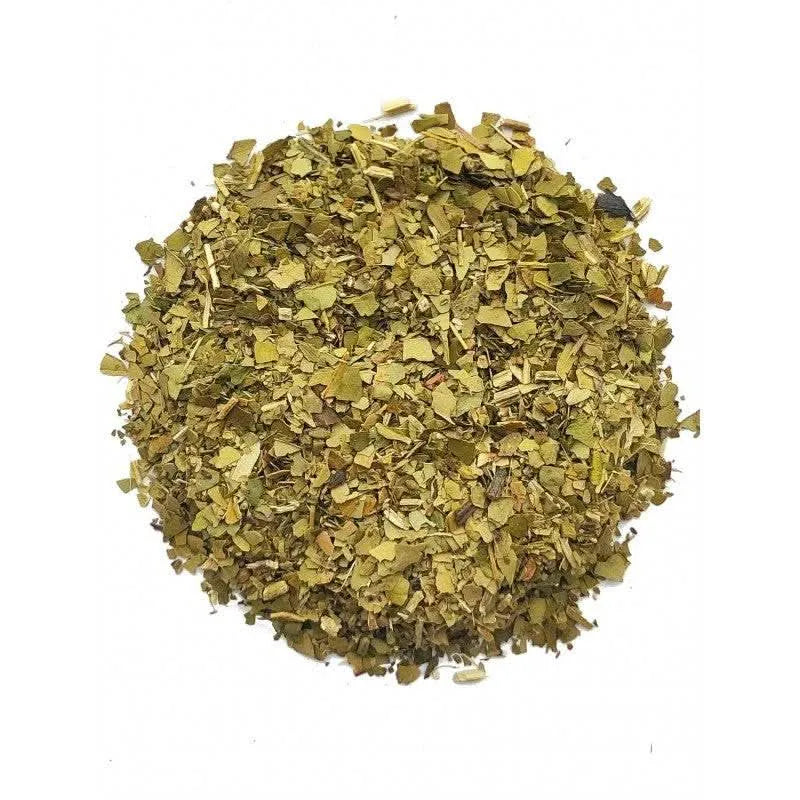
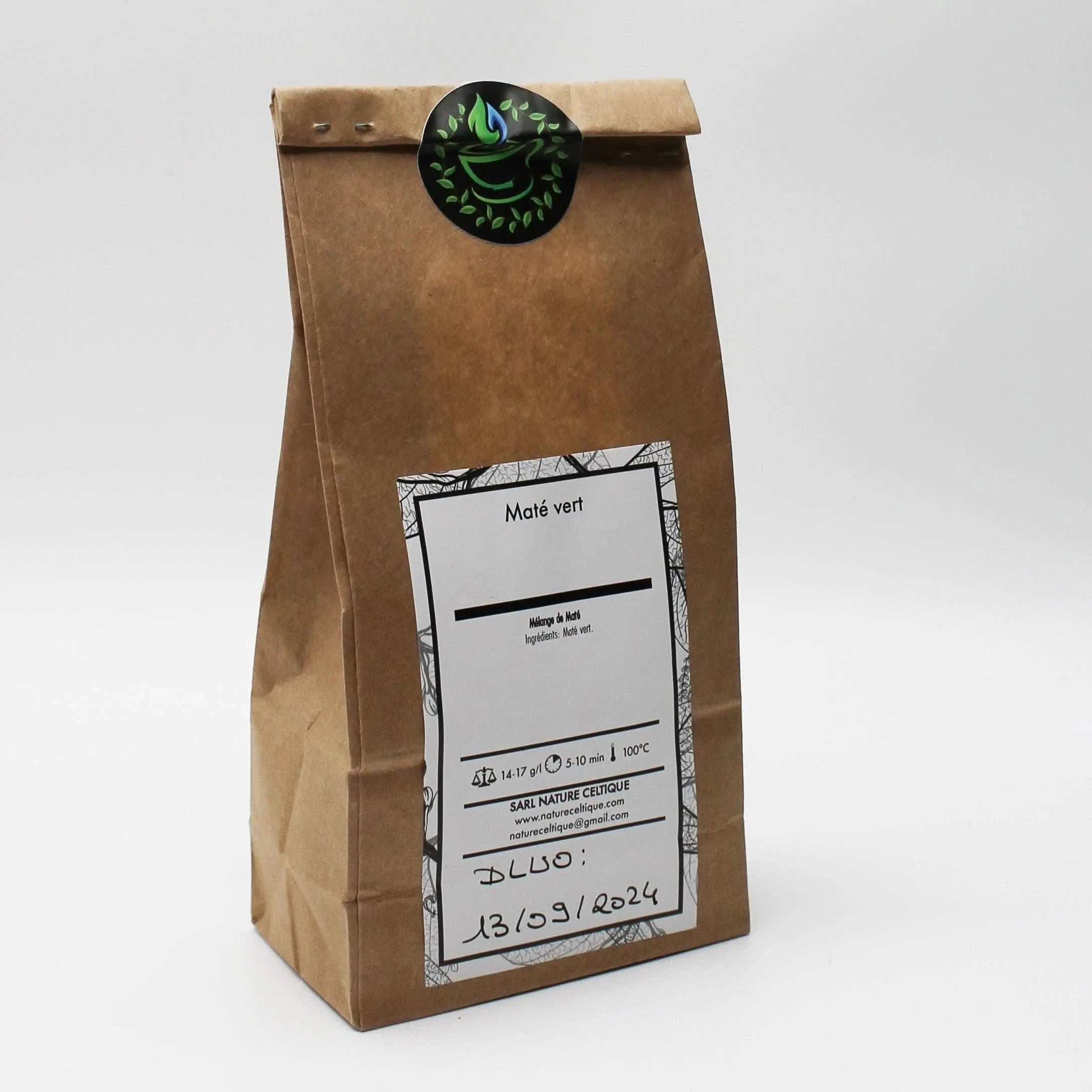

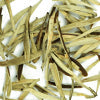
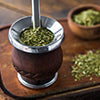
Mate Natural Green - Pure South American Yerba Leaf
Sale price
€11,00
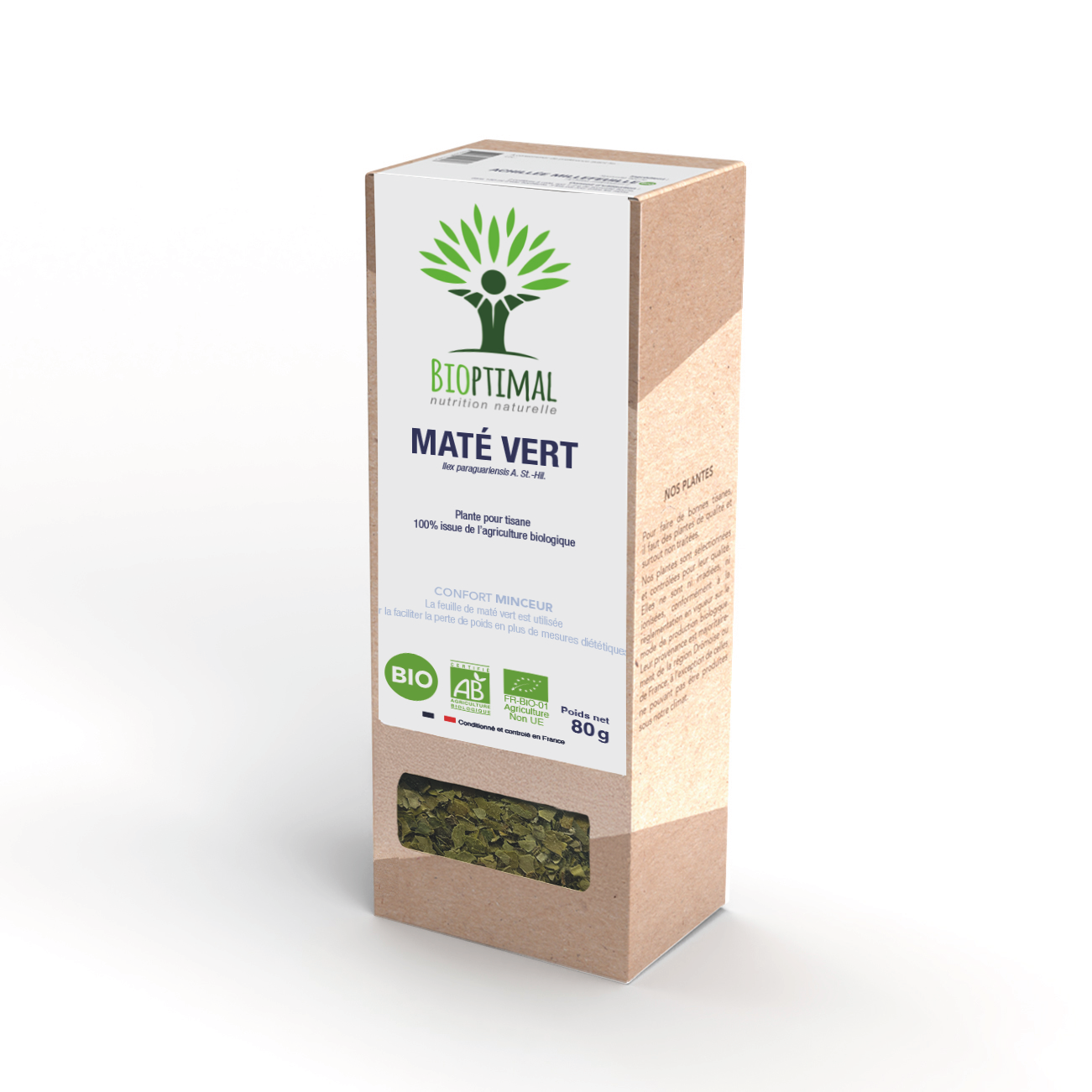

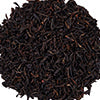
Organic Green Maté: Natural Energy & Metabolism Support Tea
Sale price
€7,95
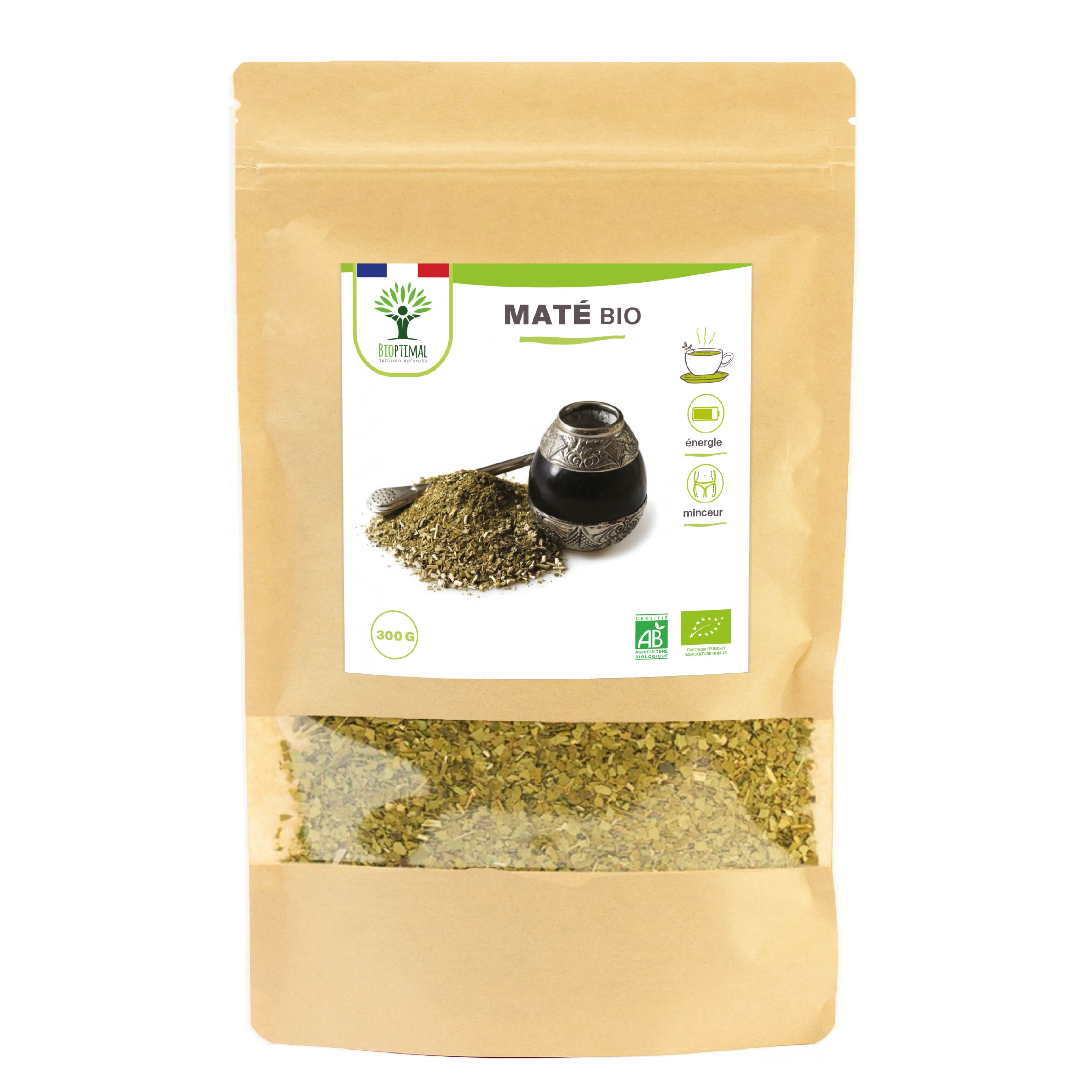
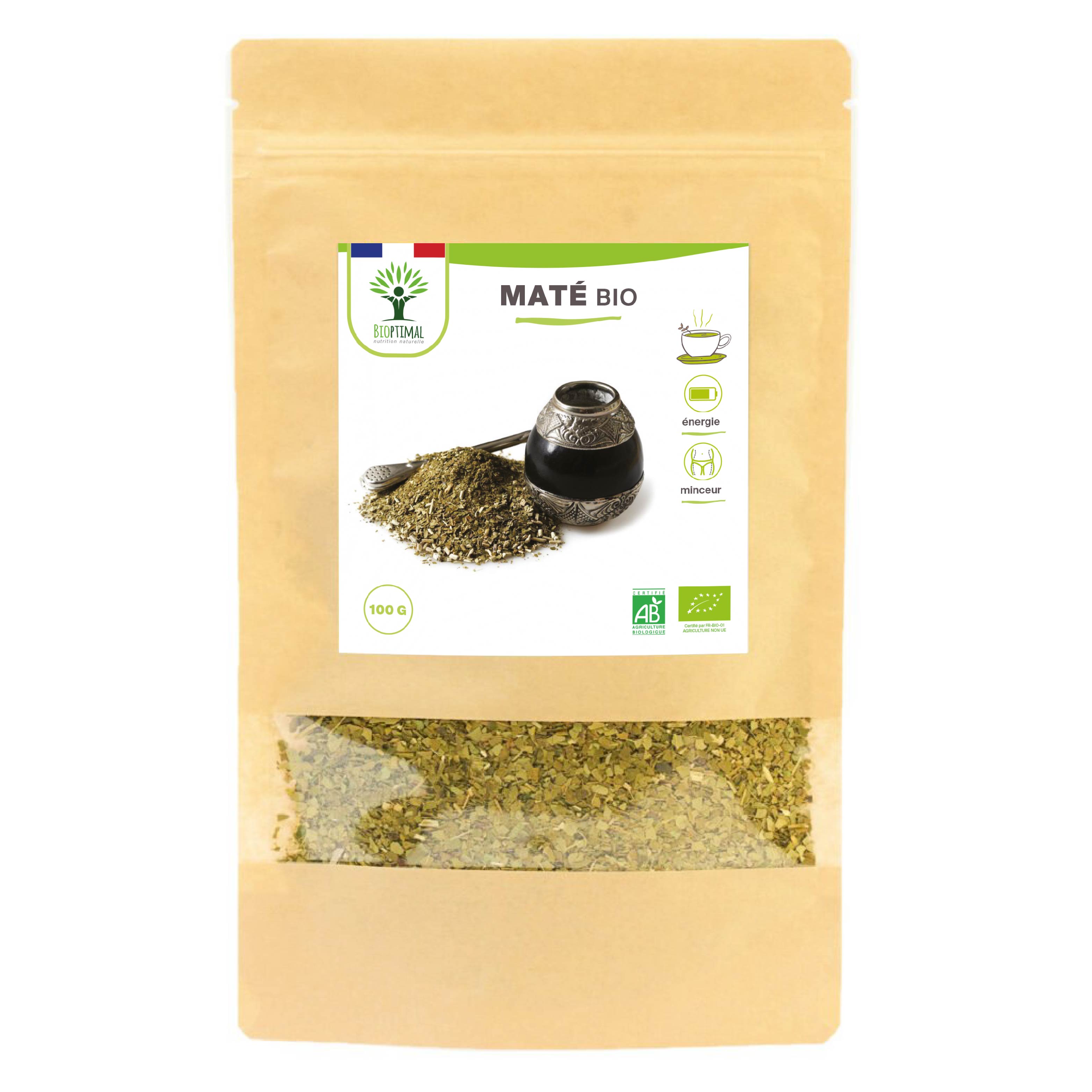
Organic Yerba Maté
Sale price
From €6,95
Description
Traditional Yerba Mate: Essential Guide
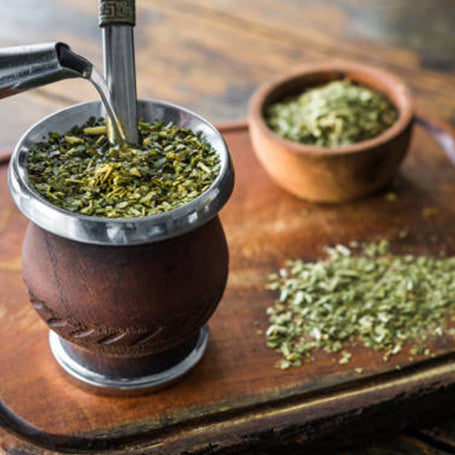
Ilex paraguariensis, known as yerba mate, originates from South America's Atlantic coastal regions. This botanical beverage delivers caffeine levels comparable to coffee, alongside theobromine and theophylline for sustained energy. Traditional processing involves careful leaf selection, flash-heating at precise temperatures, and controlled aging. The result is a complex beverage with fresh, earthy aroma and notes of eucalyptus. Quality assessment focuses on leaf integrity, particle size consistency, and moisture content within 8-10%. Modern analysis confirms exceptional antioxidant levels, surpassing green tea, while traditional knowledge validates its use for energy and focus enhancement.Types
Varieties and Processing Methods
Traditional mate undergoes specific processing stages, producing distinct varieties. Pure leaf mate offers intense flavor and highest compound concentration. Aged mate develops smoother taste through 9-12 month maturation. Mate con palo incorporates stems for balanced flavor profile. Toasted mate provides unique roasted notes while maintaining active compounds. Green mate preserves maximum chlorophyll content through modified processing. Each variety requires specific moisture levels, particle size standards, and storage parameters for optimal compound preservation.Benefits
Compound Profile and Effects
Mate's complex chemistry includes xanthine alkaloids, polyphenols, and saponins. Primary compounds include caffeine (1-2%), theobromine (0.3-0.9%), and chlorogenic acids (>2%). These compounds contribute to sustained energy release and metabolic effects. Antioxidant capacity exceeds 85% DPPH inhibition. Standardized processing maintains consistent compound ratios. Quality testing verifies active compound preservation and stability. Regular testing ensures compliance with international standards for heavy metals and microbiological safety.Instructions
Technical Parameters
Processing specifications require flash-heating at 185°F (85°C), followed by drying at 140-160°F (60-71°C). Moisture content must maintain 8-10% for stability. Particle size standardization ensures 2-4mm cuts for optimal extraction. Storage requirements specify 60-75°F (15-24°C) temperature range and humidity below 65%. Quality markers include caffeine content verification, antioxidant capacity testing, and chlorogenic acid quantification. Shelf stability requires airtight, opaque containment with minimal light exposure. Regular quality assessment includes organoleptic evaluation and compound stability verification.FAQs