


Organic Elecampane Root Tea: Digestive Comfort & Respiratory Support
Organic Elecampane Root Tea: Digestive Comfort & Respiratory Support
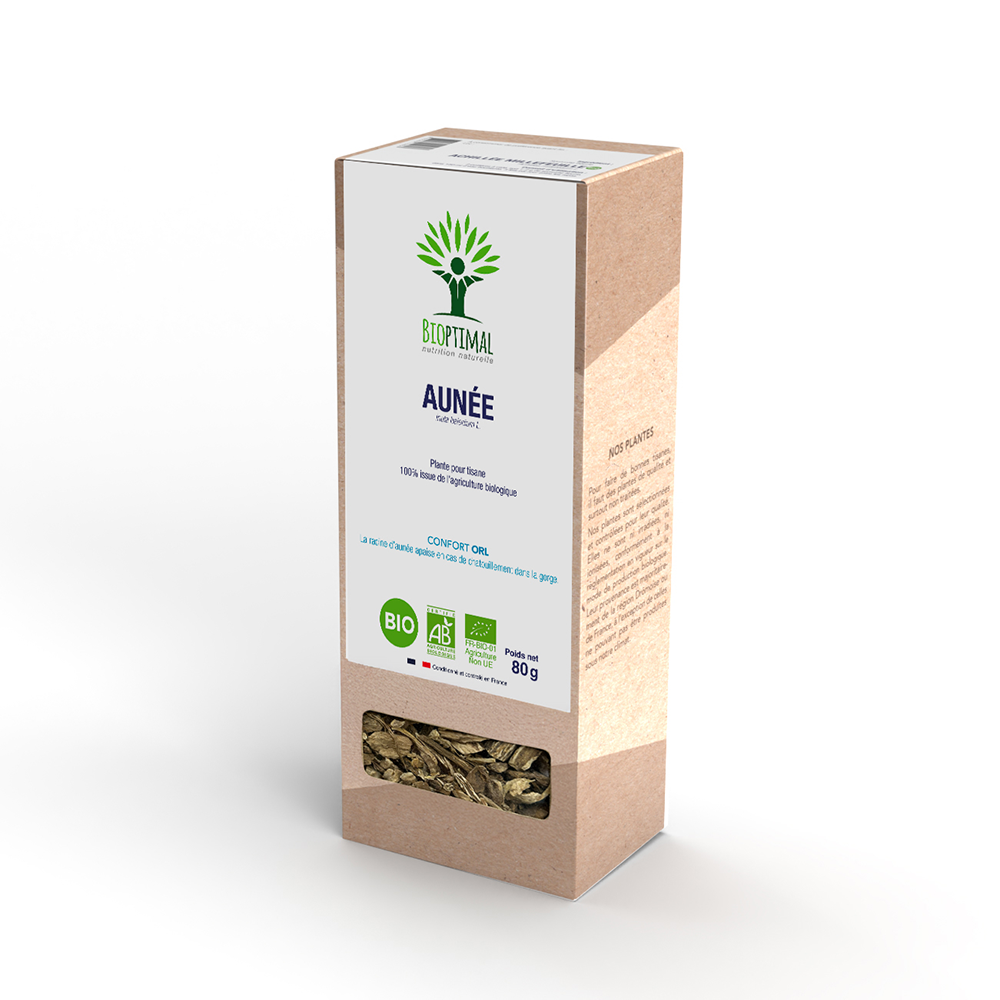
This earthy, aromatic elecampane root infusion offers robust support for digestive wellness and respiratory comfort. The distinctive root brings together centuries of herbal wisdom in a single, powerful ingredient.
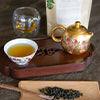
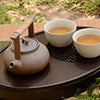
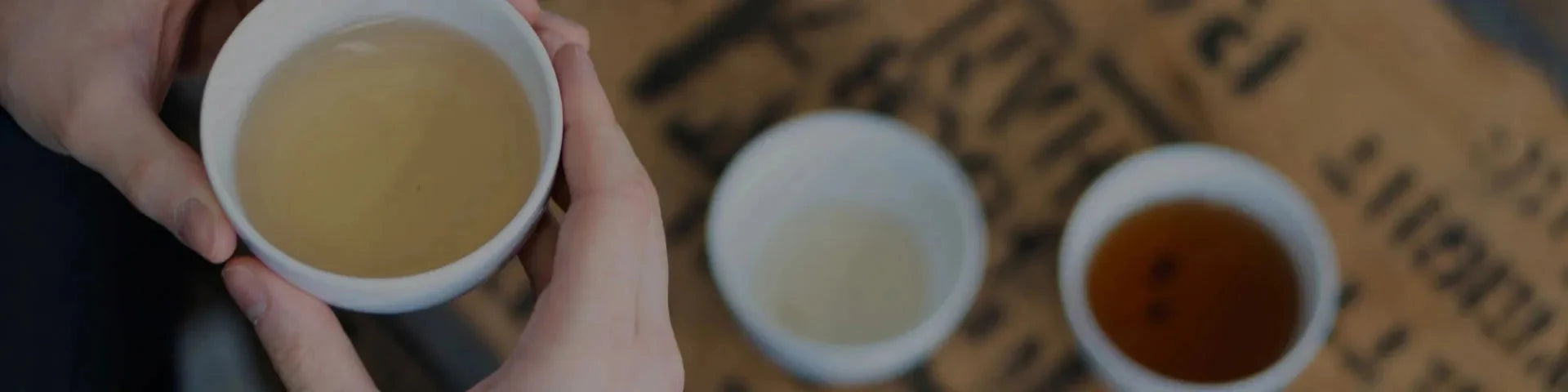
Golden-brown in color when brewed, this traditional decoction releases warm, slightly spicy notes reminiscent of ginger but with a more complex, grounding character. The bitter-sweet flavor profile carries hints of camphor and pine, creating a deeply therapeutic drinking experience.
Each batch contains pure organic elecampane root (Inula helenium), carefully sourced from Serbia and Ukraine where the plant thrives in its natural habitat. The roots are harvested at peak potency and gently dried to preserve their beneficial compounds.
This versatile herbal preparation supports the body's natural elimination functions while soothing throat irritation and promoting comfortable digestion. The warming infusion is particularly valued during seasonal transitions and cooler months.
Pure Single-Ingredient Formula
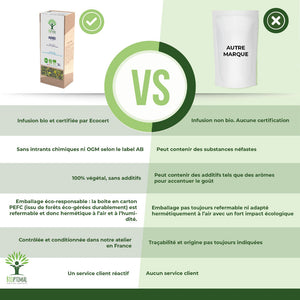
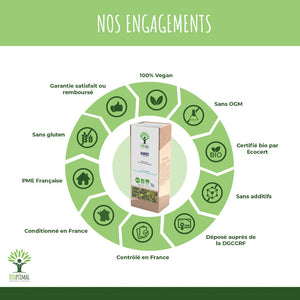
Carefully sourced and packaged in France, maintaining traditional quality standards.

Guarantee Safe Checkout
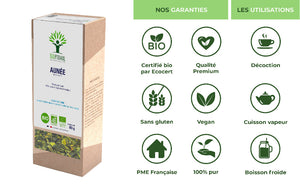
How to Prepare: Traditional Decoction Method
Elecampane root requires decoction a stronger preparation method than simple steeping to extract its beneficial compounds effectively.
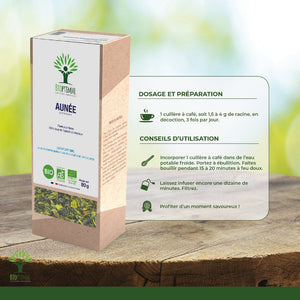
Traditional Preparation: Measure 1 teaspoon (1.5-4 grams) of dried elecampane root and place it directly in cold drinking water. Bring the water to a full boil, then reduce heat to maintain a gentle simmer for 15-20 minutes. This extended simmering time allows the water to extract the root's valuable compounds.
After simmering, remove from heat and let the decoction steep for an additional 10 minutes. Strain thoroughly before drinking. The resulting liquid will have a golden-brown color with a distinctive aromatic, slightly bitter flavor.
Consume 1-3 cups daily, preferably between meals for digestive support or as needed for throat comfort. The decoction can be enjoyed warm or allowed to cool to room temperature.
For enhanced flavor, consider adding a touch of honey after straining, which complements the root's natural bitterness while preserving its therapeutic properties. Some prefer to blend it with milder herbal teas like chamomile or lemon balm.
Store any unused decoction in the refrigerator for up to 24 hours. Gently rewarm before consuming, but avoid boiling again.
Pure Organic Ingredients: Hand-Selected Elecampane Root
This infusion contains 100% organic elecampane root, nothing more. The robust, fibrous roots arrive from certified organic farms in Serbia and Ukraine, regions renowned for producing high-quality medicinal herbs.
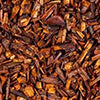
Elecampane Root (Inula helenium): The thick, woody roots carry a complex aromatic profile earthy and slightly bitter with warming, spicy undertones. When dried, the roots develop a golden-brown color and release a distinctive camphor-like fragrance mixed with subtle pine notes.
The roots are carefully cleaned, cut, and dried using traditional methods that preserve their natural volatile oils, particularly alantolactone and inulin. These compounds give elecampane its characteristic bitter taste and therapeutic properties.
Sourced from pesticide-free fields where the plants grow for two to three years before harvest, ensuring maximum concentration of beneficial compounds. The roots are hand-selected for size and quality, then processed and packaged in France to maintain freshness and potency.
Digestive Wellness & Respiratory Comfort
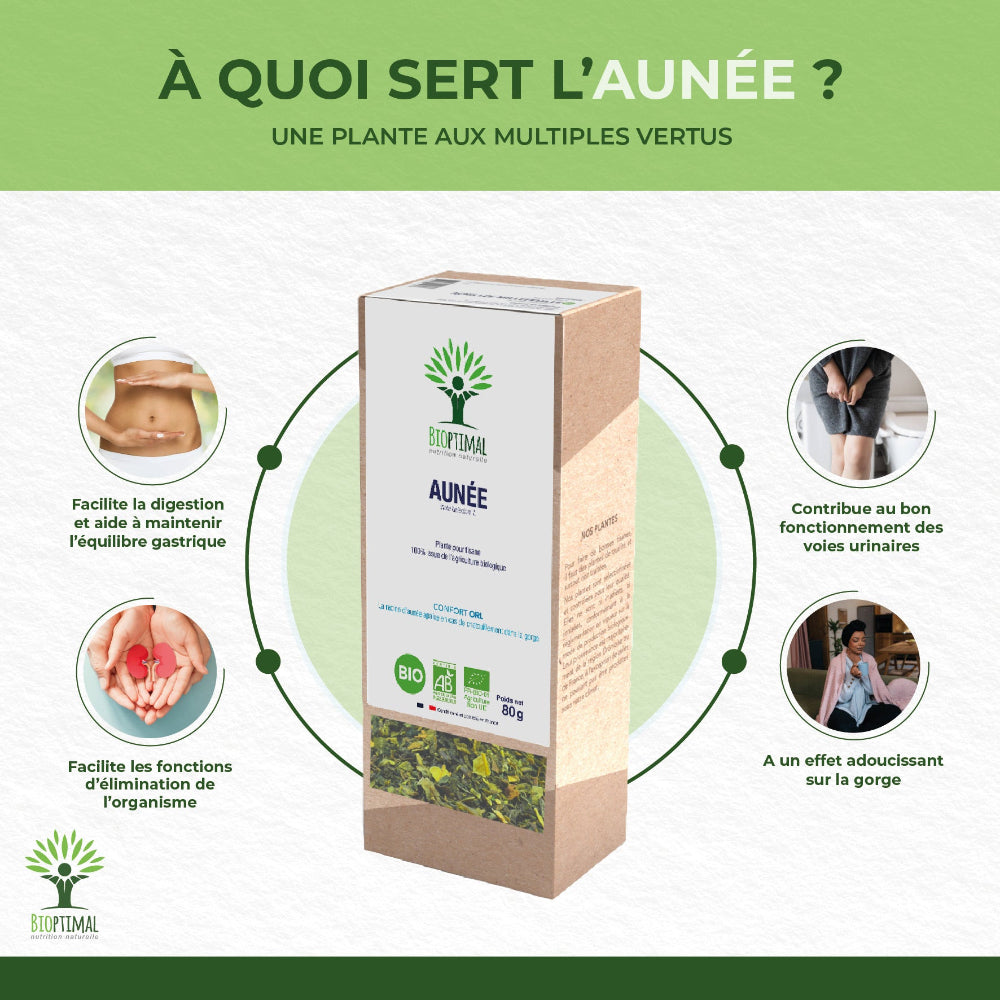
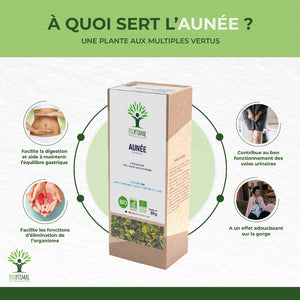
Elecampane root has served as a trusted digestive aid for generations. The root supports normal function of the intestinal tract and helps maintain gastric balance, making it an excellent choice for those seeking digestive comfort after meals.
The root's natural draining properties facilitate the body's elimination functions. It contributes to healthy urinary tract function, supporting the body's natural cleansing processes throughout the day.
Key wellness benefits include:
- Supports comfortable digestion and gastric balance
- Facilitates natural elimination and urinary tract function
- Soothes throat irritation and tickling sensations
- Provides respiratory comfort during seasonal changes
The root contains inulin, a prebiotic fiber that supports beneficial gut bacteria, along with alantolactone and other volatile compounds that contribute to its soothing effects on both the digestive and respiratory systems.
Many turn to elecampane during winter months and seasonal transitions, when the throat and respiratory system need extra support. The warming, aromatic qualities make it particularly comforting when you need gentle care for your airways.
The bitter compounds in the root stimulate digestive secretions, helping the body break down food more efficiently while supporting overall digestive comfort.
Ancient European Medicinal Tradition
Elecampane holds a distinguished place in European herbal medicine, with records of its use dating back to Ancient Greece. The plant's Latin name, Inula helenium, connects to Helen of Troy legend suggests the herb sprang from her tears.
Medieval European apothecaries prized elecampane root as a key ingredient in respiratory remedies and digestive tonics. Herbalists across France, Germany, and England prescribed decoctions for persistent coughs, bronchial complaints, and sluggish digestion.
Folk healers traditionally recommended elecampane for "opening the chest" and "warming the belly" descriptions that align with modern understanding of its expectorant and digestive properties. The root appeared in countless household remedy books throughout the 16th through 19th centuries.
In traditional French phytotherapy, elecampane root earned recognition as a "grand remède" for respiratory wellness. Herbalists often combined it with other warming herbs, though many valued its effectiveness as a standalone preparation.
The practice of harvesting elecampane roots in autumn, after two to three years of growth, continues today in Serbia and Ukraine, maintaining traditional cultivation methods passed down through generations of herb growers.