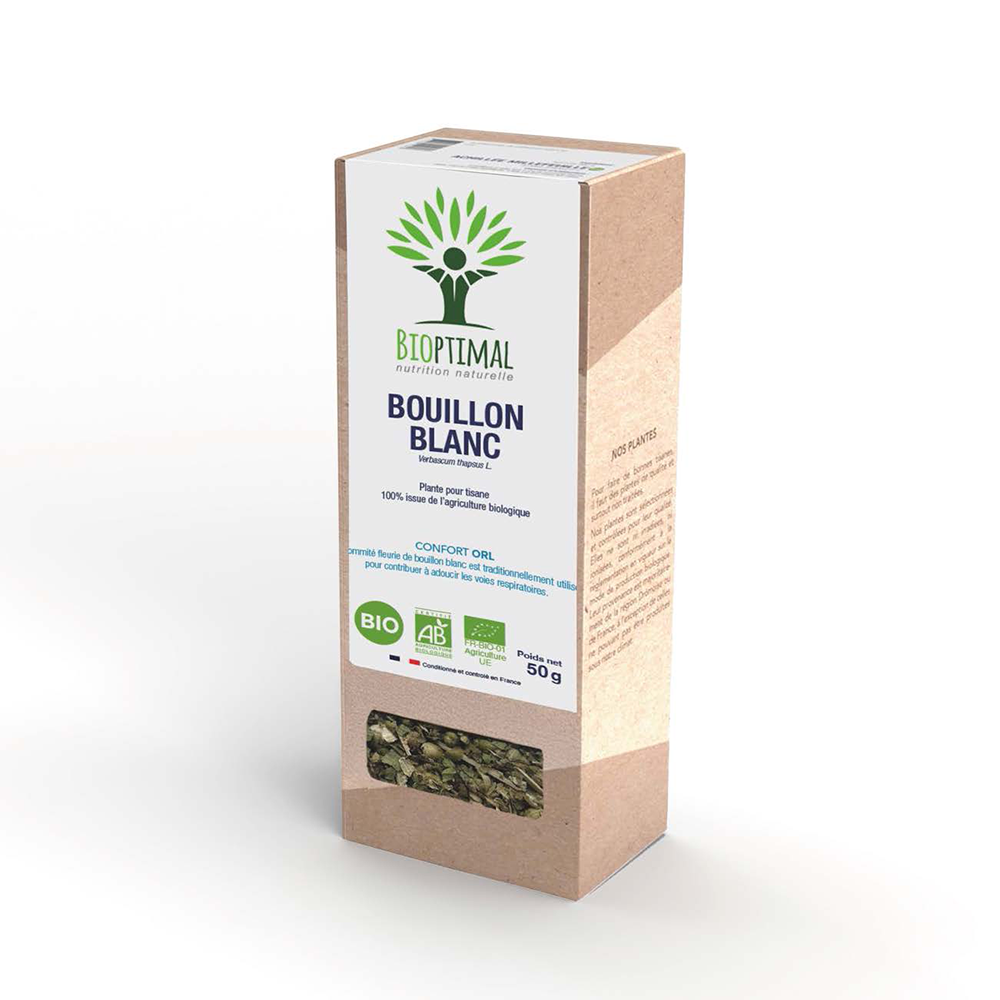




Organic Mullein Tea: Respiratory Support & Throat Comfort
Organic Mullein Flower Tea: Soothing Herbal Infusion for Respiratory Wellness
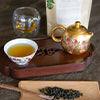
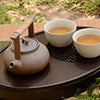
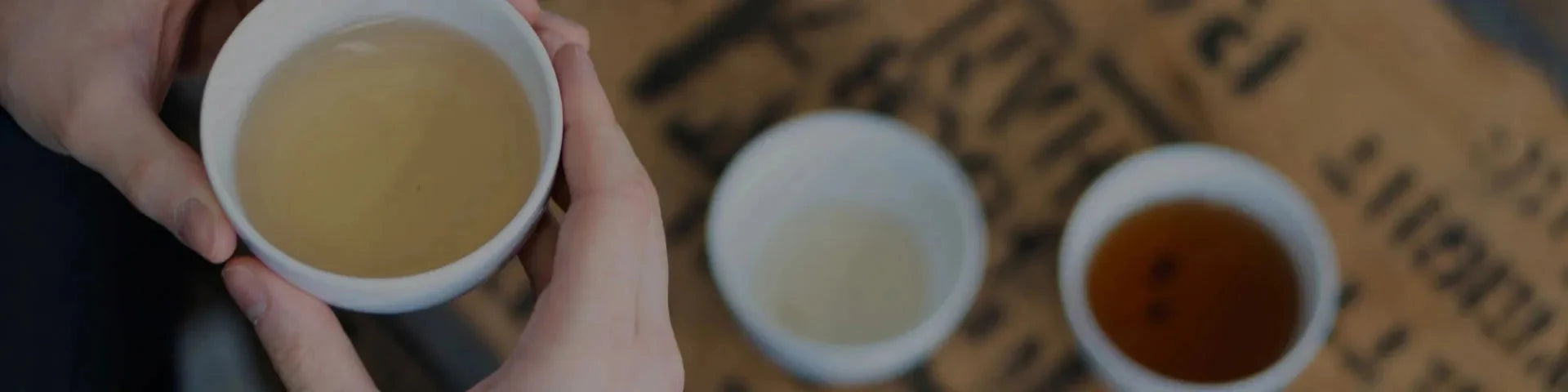
This delicate herbal infusion showcases the soft, honey-sweet character of organic mullein flowers, delivering a gentle, naturally soothing experience with every golden cup. The pale yellow liquor carries whispers of meadow flowers and sun-dried hay, creating a comforting embrace for throat and airways.
Hand-harvested from certified organic fields in France and Bulgaria, each flowering top is carefully selected at peak bloom to preserve its precious mucilage content and therapeutic compounds.
The mild, slightly sweet flavor profile makes this infusion remarkably pleasant to sip throughout the day, whether you're seeking respiratory comfort or simply enjoying a moment of herbal tranquility.
This versatile brew can be enjoyed hot for maximum soothing effect, or cooled as a refreshing wellness drink that supports respiratory clarity and vocal comfort naturally.

Guarantee Safe Checkout
How to Brew: Perfect Infusion for Maximum Soothing Benefits
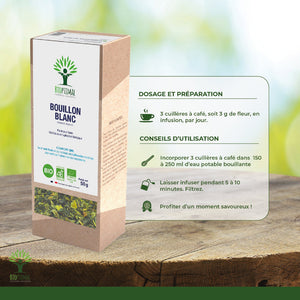
For optimal extraction of mullein's beneficial mucilages and soothing compounds, use 3 teaspoons (approximately 3 grams) of dried flowering tops per cup.
Pour 150-250ml of freshly boiled water (95-100°C/203-212°F) over the flowers in a glass or porcelain vessel these materials won't interfere with the infusion's delicate properties. Cover immediately to trap the steam and preserve volatile aromatic compounds.
Steep for 5-10 minutes, stirring occasionally to encourage full extraction of the flowers' mucilaginous content. The longer steeping time allows the soothing compounds to fully release into the water, creating a slightly viscous, golden liquor.
Important: Always strain the infusion through a fine mesh or cloth filter to remove any tiny flower hairs that may irritate sensitive throats this extra step ensures maximum comfort.
For respiratory support, consume up to 3-4 cups daily, preferably between meals for optimal absorption. The tea can be enjoyed plain to appreciate its natural mild sweetness, or enhanced with a touch of honey and lemon for additional throat-soothing benefits.
Store dried flowers in an airtight container away from light and moisture to preserve their golden color and therapeutic properties for up to one year.
Pure Organic Ingredients: Single-Source Mullein Flowers
This infusion contains 100% organic mullein flowering tops (Verbascum thapsus), featuring the plant's most therapeutically rich aerial parts harvested at the perfect stage of bloom.
The velvety, golden-yellow flowers are distinguished by their soft texture and high concentration of protective mucilages natural plant compounds that form a soothing gel when steeped in hot water. These delicate blossoms also contain flavonoids, saponins, and iridoid compounds that contribute to their traditional respiratory support properties.
Sourced from certified organic farms in France and Bulgaria, where mullein thrives in sunny meadows and rocky hillsides, each flowering spike is hand-picked to ensure only the finest quality makes it into your cup.
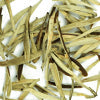
The flowers retain their pale golden color and characteristic mild, slightly honeyed aroma, indicators of careful drying and processing that preserve the plant's beneficial properties.
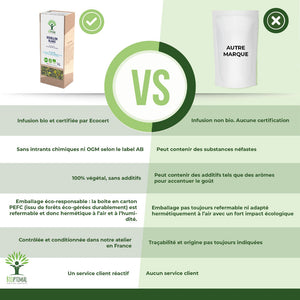
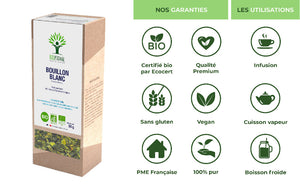
Completely free from additives, preservatives, or artificial substances, this single-ingredient infusion represents mullein in its purest, most authentic form.
Respiratory Comfort & Throat Soothing Properties
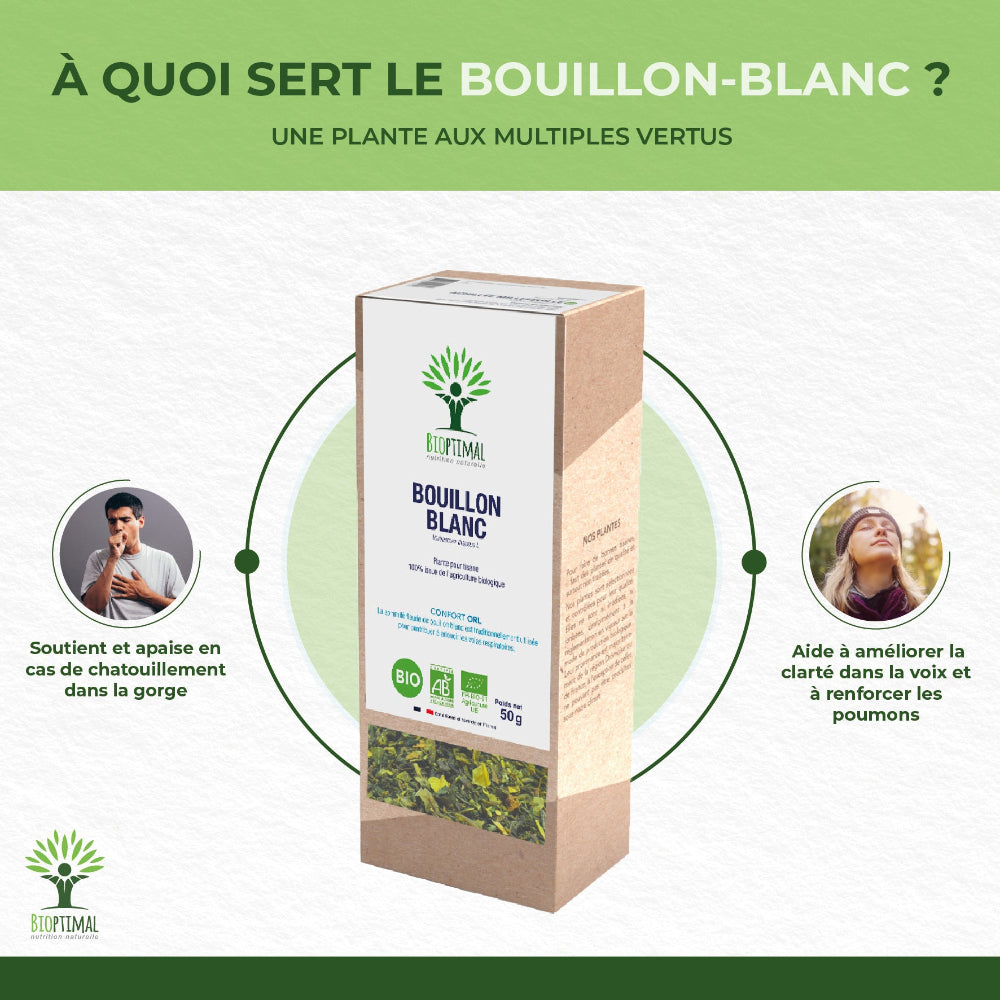
Mullein flower tea has been treasured for centuries as a gentle ally for respiratory wellness, particularly valued for its remarkable ability to soothe irritated airways and support comfortable breathing.
The flowers' abundant mucilage content creates a protective coating along the throat and respiratory passages, helping to calm tickling sensations, ease hoarseness, and support vocal clarity making it a favorite among singers, teachers, and public speakers.
Traditional respiratory support benefits include:
- Soothes throat irritation and reduces tickling sensations
- Supports comfortable breathing and airway clarity
- Helps maintain vocal quality and throat comfort
- Provides gentle expectorant action to ease productive coughs
- Calms bronchial passages during seasonal challenges
The anti-inflammatory compounds in mullein flowers, particularly flavonoids and saponins, work synergistically with mucilages to reduce irritation throughout the respiratory tract. This dual action coating and calming makes mullein particularly effective for supporting respiratory comfort during cold seasons or when environmental factors stress the airways.
Beyond respiratory support, mullein's gentle nature extends soothing benefits to digestive comfort, helping to ease occasional stomach discomfort with the same protective, coating action that soothes the throat.
Many people incorporate this tea into their wellness routine during seasonal transitions or whenever they need extra respiratory support and throat comfort.
Medieval European Respiratory Remedy
Mullein holds a distinguished place in European herbal wisdom, with documented medicinal use stretching back to ancient Greece and Rome, where physicians like Dioscorides and Hippocrates recommended it for lung ailments and coughs.
Throughout medieval Europe, mullein earned evocative folk names like "Candlewick Plant" and "Hag's Taper" references to its traditional use as a natural torch. Dried stalks dipped in tallow provided light for rural households, symbolically representing guidance through darkness and earning the plant protective associations in folklore.
In French traditional medicine, bouillon blanc became a household staple, particularly valued in rural communities where herbal knowledge passed through generations. French herbalists documented its use in treating respiratory conditions as early as the 12th century, with monastic healers cultivating it in medicinal gardens specifically for cough remedies and voice preservation.
The plant's soft, woolly leaves were sometimes used as insoles by medieval travelers, lending it yet another folk name: "Pilgrim's Staff." This practical use reflected the plant's comforting, protective nature qualities that extended from physical comfort to its therapeutic applications.
By the 19th century, mullein had secured its position in European pharmacopoeias, with French and German herbalists particularly championing its respiratory benefits. Traditional preparation methods carefully steeping the flowers to extract their mucilaginous properties remain essentially unchanged today, honoring centuries of herbal wisdom.