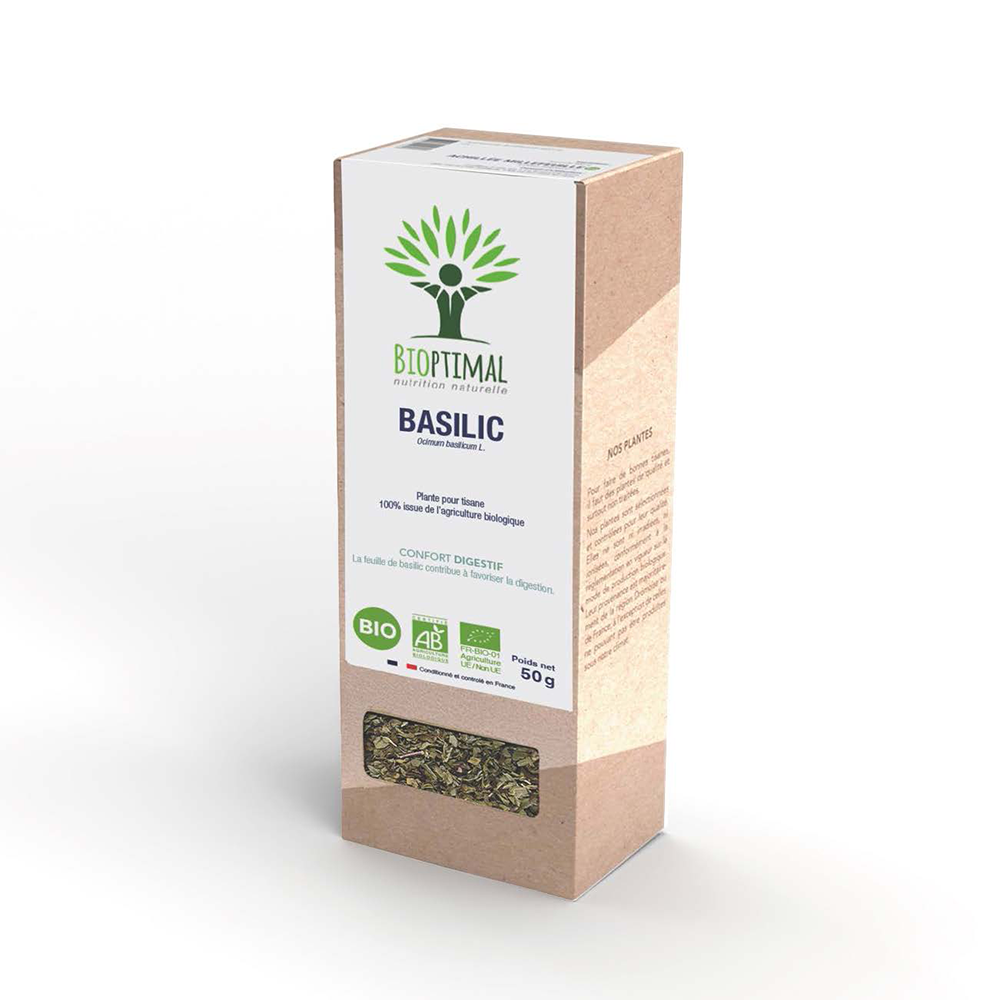



Organic Basil Leaves: Digestive Comfort Herbal Tea
Organic Basil Tea: Fresh Aromatic Digestive Support Blend
This vibrant herbal infusion captures the essence of sun-ripened organic basil leaves, delivering a refreshingly crisp flavor with subtle peppery notes and gentle clove undertones that dance on your palate.
Each carefully selected leaf contains naturally concentrated aromatic compounds including linalool, eugenol, and rosmarinic acid the same bioactive elements treasured in traditional Mediterranean wellness practices for centuries.
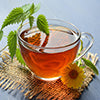
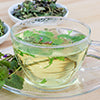
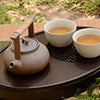
The infusion reveals a luminous golden-green hue in your cup, releasing an enchanting bouquet of fresh herbs that immediately awakens the senses and invites you into a moment of aromatic tranquility.
This pure single-ingredient tea offers a smooth, slightly sweet finish with warming herbal complexity, making it an ideal companion for post-meal relaxation or as a gentle daily wellness ritual throughout the day.
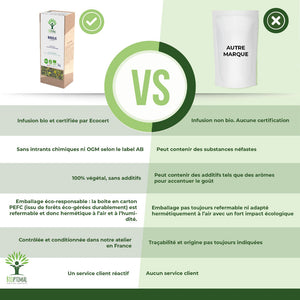
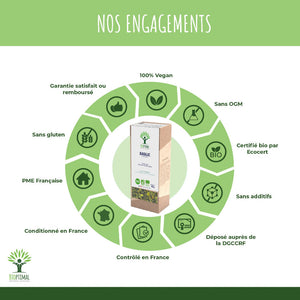
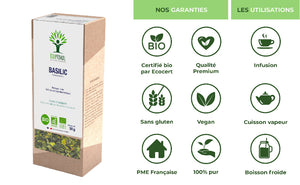
Pure organic ingredients with zero additives
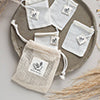
Thoughtfully packaged in eco-friendly materials to preserve freshness and aromatic potency.

Guarantee Safe Checkout
How to Brew: Perfect Infusion Method & Steeping Guide
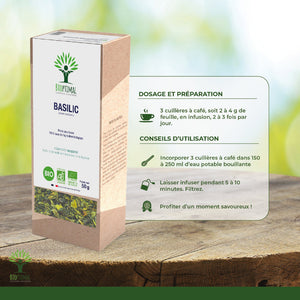
Add 3 teaspoons (approximately 2 to 4 grams) of dried organic basil leaves to a glass or porcelain vessel for optimal flavor extraction and aromatic preservation.
Brewing temperature: Pour 150 to 250 ml of freshly boiled water (approximately 95-100°C or 203-212°F) directly over the leaves. The hot water releases the essential oils and activates the beneficial compounds within the herb.
Cover your brewing vessel immediately to trap the aromatic volatile oils these delicate compounds contribute both to the flavor profile and therapeutic properties of the infusion.
Steeping time: Allow the leaves to infuse for 5 to 10 minutes, stirring occasionally to ensure even extraction of flavors and bioactive elements. Shorter steeping yields a lighter, more delicate taste; longer steeping produces a more robust, herbaceous character.
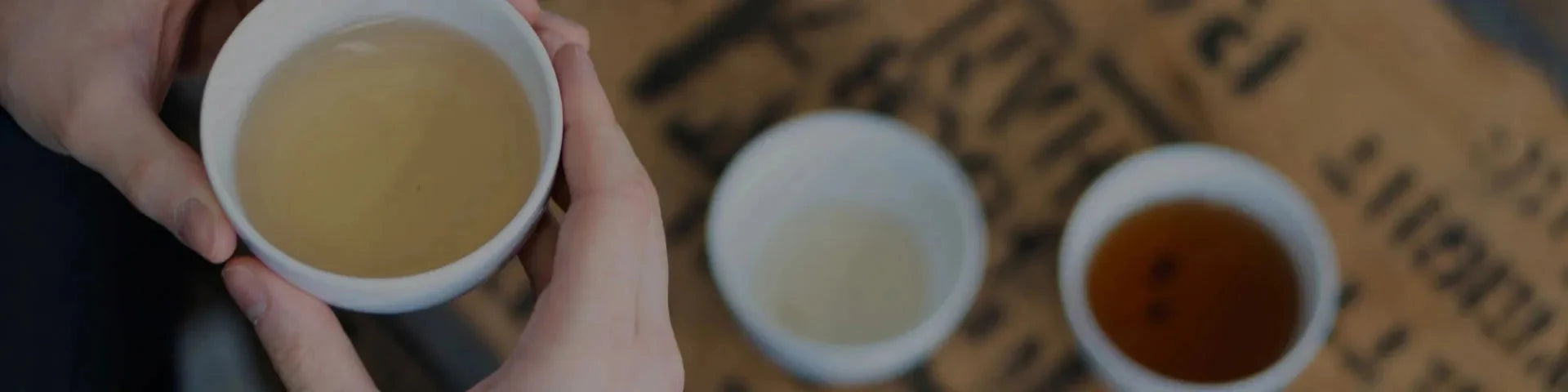
Strain the infusion to remove the leaves, then enjoy while warm for maximum digestive benefit. The infusion presents a clear golden-green liquor with fresh herbal aroma.
Recommended consumption: Drink 2 to 3 cups daily, ideally after meals to support comfortable digestion and natural elimination processes. The gentle, caffeine-free nature makes it suitable for morning, afternoon, or evening enjoyment.
For enhanced flavor complexity, consider adding a touch of raw honey or a squeeze of fresh lemon juice, which complements basil's naturally peppery-sweet profile beautifully.
Pure Organic Ingredients: Single-Origin Basil Leaves
This infusion contains 100% organic basil leaves (Ocimum basilicum) harvested at peak maturity to preserve maximum aromatic oils and beneficial plant compounds.
Premium whole leaf composition: Each vibrant green leaf is rich in polyphenols including rutin, isoquercetin, and quercetin, alongside high concentrations of rosmarinic acid a powerful antioxidant compound that gives basil its characteristic protective properties.
The leaves contain a complex symphony of volatile essential oils: linalool provides the gentle floral sweetness, eugenol contributes warm clove-like notes, while geraniol and nerol add subtle citrus brightness to the aromatic profile.
Cultivated organically across carefully selected growing regions in France, Egypt, and Germany, these basil leaves undergo minimal processing to maintain their natural nutritional elements including vitamin E, and beneficial terpenes that support the herb's traditional wellness applications.
Certified organic cultivation ensures purity without synthetic pesticides or chemical treatments, delivering authentic basil character in every sip.
Digestive Support & Natural Detoxification
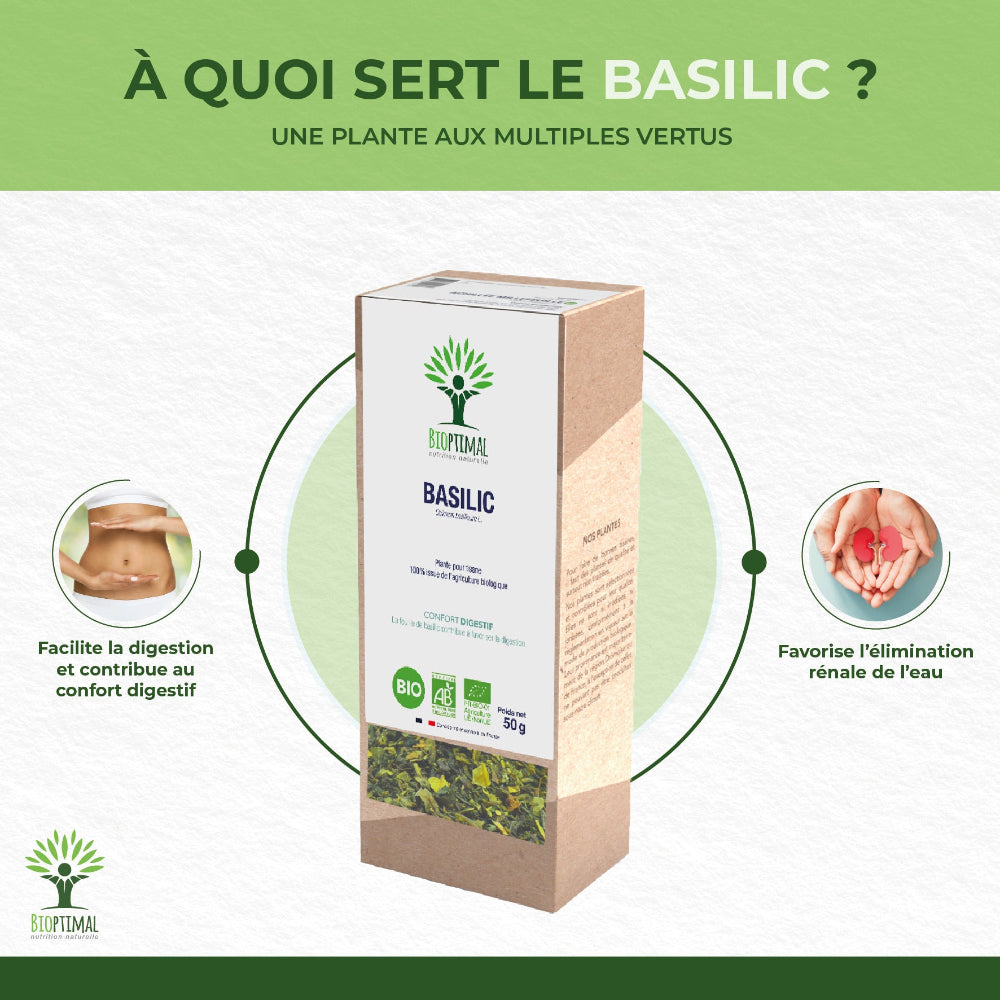
Basil leaves have been traditionally valued for facilitating comfortable digestion and supporting the body's natural elimination processes.
Digestive comfort enhancement: The aromatic compounds in basil, particularly its essential oil constituents, help ease digestive discomfort and promote smooth gastrointestinal function. Many find relief from occasional bloating or digestive tension through regular consumption.
This herb acts as a gentle natural drainer, supporting the kidneys' ability to eliminate excess water and helping maintain healthy fluid balance throughout the body.
The concentrated polyphenols and rosmarinic acid provide robust antioxidant activity, helping neutralize free radicals that can stress cellular health. These protective plant compounds work quietly to support your body's natural defense systems.
Antimicrobial properties: Linalool and eugenol contribute broad-spectrum benefits, potentially supporting gut health and immune resilience against environmental challenges.
Regular consumption may help reduce inflammation naturally, thanks to the anti-inflammatory phenolic compounds present in each leaf. The combination of these bioactive elements supports cardiovascular wellness, healthy blood pressure levels, and overall metabolic balance.
Some research suggests basil's complex phytochemical profile may help modulate allergic responses and support cellular integrity, making it a valuable addition to a health-conscious daily routine.
The King of Herbs Through History
Basil holds the honored title "King of Herbs" across diverse cultures, with roots stretching from ancient Mediterranean civilizations to the Ayurvedic traditions of India.
In ancient Greece and Rome, basil symbolized love, protection, and prosperity. Greek physicians prescribed it for digestive ailments and mood enhancement, while Roman herbalists recognized its purifying properties and included it in ceremonial practices.
Sacred significance in Eastern traditions: Ayurvedic medicine revered basil as a sacred plant called Tulsi (holy basil's cousin), using it for respiratory support, spiritual purification, and promoting longevity. The herb was planted near temples and homes to invite positive energy and ward off negative influences.
Medieval European herbalists documented basil's use for stomach comfort, nervous tension, and as a natural preservative for foods. Its essential oil became prized in apothecaries for both culinary excellence and therapeutic value.
Throughout the Renaissance, basil featured prominently in Italian cuisine and French herbal medicine, where it was considered essential for maintaining digestive harmony and overall vitality. Traditional folk wisdom held that basil could strengthen the stomach, calm the mind, and support the body's natural cleansing processes.
This centuries-old appreciation for basil's multifaceted benefits continues today, as modern research validates many traditional applications while revealing additional health-supporting properties of its complex phytochemical composition.