


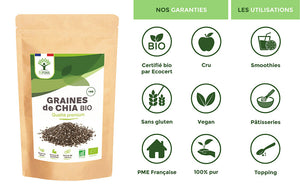
Organic Chia Seeds: Nutrient-Dense Superfood from Paraguay
Organic Chia Seeds: Ancient Superfood Rich in Omega-3 & Fiber
These tiny, speckled seeds offer a neutral, subtly nutty flavor that transforms into a unique gel-like texture when soaked, making them incredibly versatile in both sweet and savory dishes. Each seed contains a concentrated source of plant-based nutrition that has fueled civilizations for thousands of years.
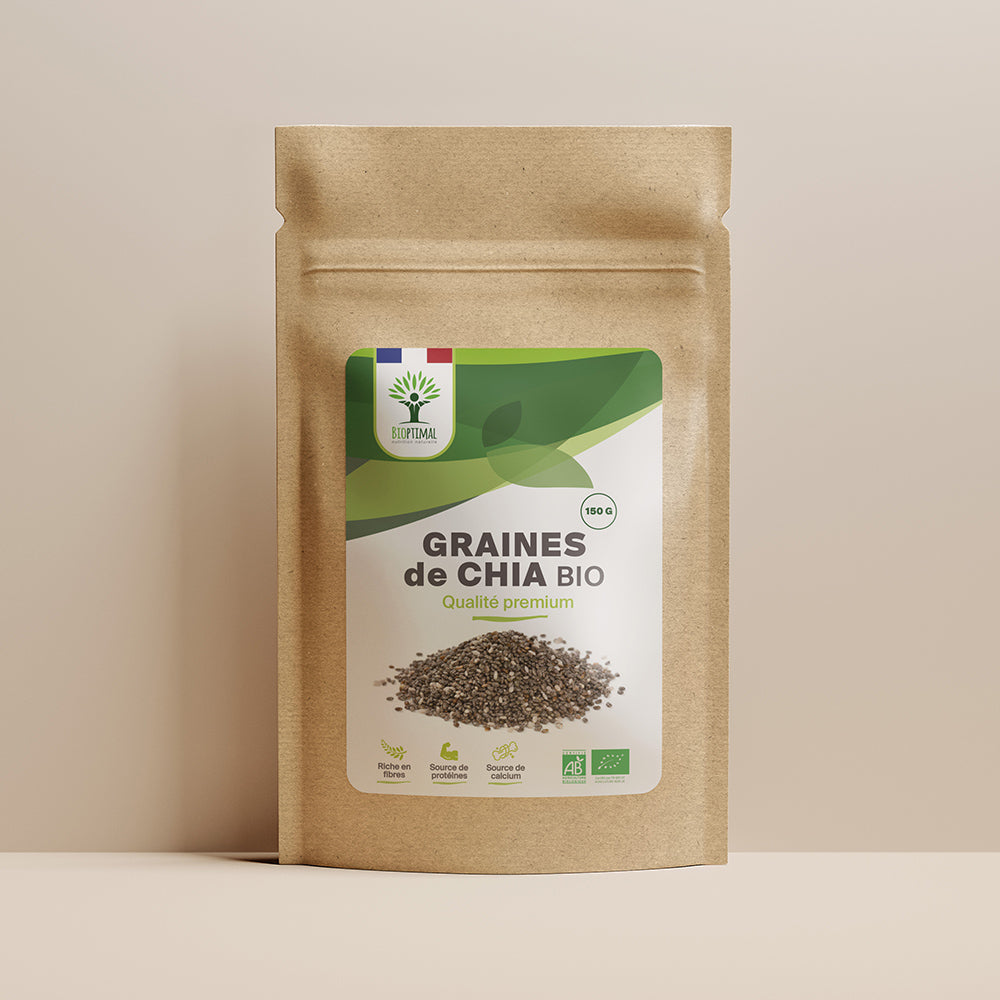
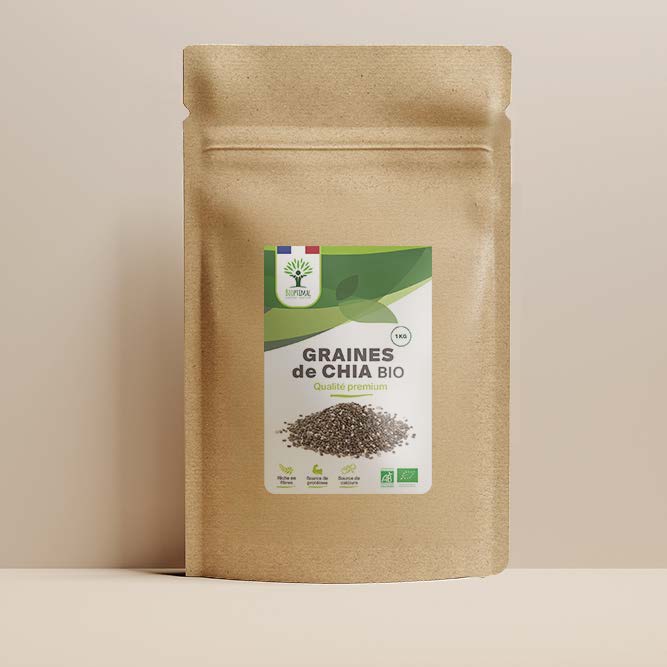
Grown sustainably in the fertile soils of Paraguay and carefully packaged in France, these organic chia seeds deliver exceptional nutritional density in their pure, raw form. The seeds develop a delightfully crunchy texture when eaten dry, or create a smooth, pudding-like consistency when hydrated.
Rich in essential omega-3 fatty acids (alpha-linolenic acid), complete plant protein, and abundant dietary fiber, these seeds support multiple aspects of wellness from cardiovascular health to digestive comfort. The natural mucilage coating that forms when soaked provides gentle support for digestive regularity.
Perfect for vegetarian and vegan lifestyles, these gluten-free seeds serve as an excellent animal product substitute while delivering calcium, phosphorus, copper, manganese, and selenium. Their mild taste allows seamless integration into yogurt, smoothies, oatmeal, salads, and baked goods.
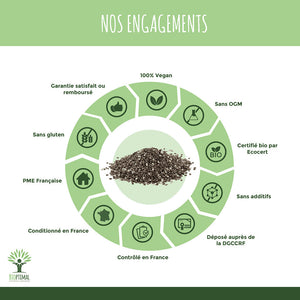
Certified Organic & Sustainably Sourced
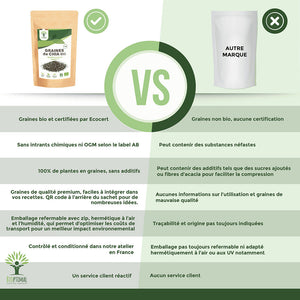
Cultivated with traditional Paraguayan farming methods, packaged in resealable pouches to preserve freshness, tested in France for purity and quality.


Guarantee Safe Checkout
Usage Instructions: Simple Integration into Daily Nutrition
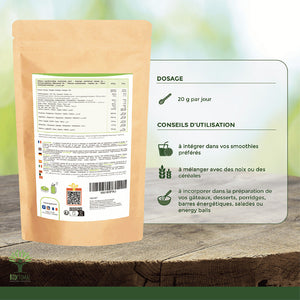
The recommended daily serving is 1-2 tablespoons (10-20g), which can be consumed at any time of day. Begin with smaller amounts if new to chia seeds, gradually increasing to allow your digestive system to adjust to the high fiber content.
For dry, crunchy texture: Sprinkle directly over yogurt, smoothie bowls, salads, muesli, cereal, or compote. The seeds add a pleasant crunch and mild nutty flavor while boosting nutritional content.
For gel-like consistency: Mix seeds with liquid (water, plant milk, juice) using a ratio of 1 tablespoon seeds to 3 tablespoons liquid. Stir well and let stand for 10 minutes, stirring occasionally to prevent clumping. The seeds will absorb the liquid and develop a pudding-like texture as the mucilage coating expands.
Chia pudding preparation: Combine 3 tablespoons chia seeds with 1 cup liquid (almond milk, coconut milk, or fruit juice). Add natural sweetener and vanilla if desired. Refrigerate for at least 2 hours or overnight, stirring once after 10 minutes. Top with fresh fruit, nuts, or coconut flakes.
As a thickening agent: Add to smoothies, sauces, jams, or soups to create thickness without altering flavor. The seeds work similarly to agar-agar or psyllium, absorbing liquid and creating viscosity in both hot and cold preparations.
In baking: Substitute eggs in vegan recipes by mixing 1 tablespoon ground chia seeds with 3 tablespoons water per egg needed. Let gel for 5 minutes before adding to batter. Whole or ground seeds can also be added to bread, muffins, pancakes, and energy bars.
Storage: Keep in the resealable pouch in a cool, dry place away from direct sunlight and UV exposure to maintain freshness and prevent rancidity. Properly stored seeds maintain quality for up to two years. Once opened, refrigeration extends shelf life.
Hydration note: Due to high water absorption capacity, ensure adequate fluid intake when consuming chia seeds, especially in dry form. The seeds can absorb up to 12 times their weight in liquid.
Pure Organic Composition: Single-Ingredient Superfood
These seeds consist of 100% organic chia seeds (Salvia hispanica L.) with no additives, preservatives, gluten, GMOs, or pesticides. Each tiny seed measures just 1-2mm in diameter, featuring a mottled pattern of grey, black, brown, and white colors.
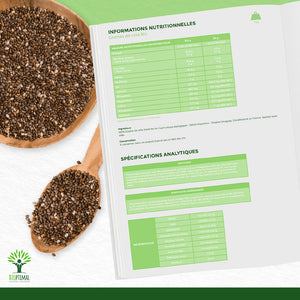
The seeds contain approximately 31.4g of healthy fats per 100g, with an exceptional 18.5g of omega-3 fatty acids and 6.4g of omega-6 fatty acids. This remarkable omega-3 content rivals fish oil sources, making them an ideal plant-based alternative for essential fatty acid nutrition.
With 21.2g of complete plant protein per 100g, including all essential amino acids like arginine, leucine, lysine, and phenylalanine, these seeds provide valuable protein for tissue repair and muscle maintenance. The protein content surpasses most grains and rivals many animal sources.
Dietary fiber content reaches 33.7g per 100g, containing both soluble and insoluble fiber that supports digestive health, blood sugar regulation, and feelings of satiety. This exceptional fiber density makes chia one of the highest-fiber foods available.
The mineral profile includes 500mg calcium, 535mg phosphorus, 290mg magnesium, and 1.5mg copper per 100g, supporting bone density, energy metabolism, and cellular function. Vitamin content includes 29.1mg Vitamin E, 0.89mg thiamine (B1), and 11.2mg niacin (B3).
Powerful antioxidant compounds including caffeic acid, chlorogenic acid, quercetin, and kaempferol help protect cells from oxidative damage. These polyphenols contribute to the seeds' stability and nutritional benefits.
Heart Health, Digestive Support & Sustained Energy
The exceptional omega-3 fatty acid content supports cardiovascular wellness by promoting healthy cholesterol levels and maintaining flexible, responsive blood vessels. The alpha-linolenic acid (ALA) in chia seeds converts partially to EPA and DHA in the body, supporting heart rhythm and circulation.
High fiber content creates a feeling of fullness and satisfaction.
The combination of soluble and insoluble fiber promotes digestive comfort and regularity by supporting beneficial gut bacteria and facilitating smooth intestinal transit. When hydrated, the seeds form a gentle mucilage that soothes the digestive tract and supports optimal nutrient absorption.
Blood sugar balance benefits from the fiber and protein content, which slow carbohydrate digestion and help maintain steady energy levels throughout the day. This makes chia particularly valuable for those managing glucose sensitivity or seeking sustained energy without crashes.
The substantial calcium and phosphorus content supports bone density and skeletal health, providing 50% of the recommended daily calcium intake in just two tablespoons. The presence of magnesium enhances calcium absorption and utilization in bone tissue.
Complete plant-based protein with all essential amino acids makes chia valuable for muscle maintenance, tissue repair, and cellular regeneration. Athletes and active individuals benefit from the sustained energy release and amino acid profile that supports recovery.
Antioxidant polyphenols help counteract oxidative stress and cellular aging by neutralizing free radicals. These compounds work synergistically with Vitamin E to protect cell membranes and support overall cellular integrity.
The mineral profile including copper, selenium, and manganese supports metabolic function and immune system health, contributing to energy production, thyroid function, and natural defense mechanisms.
Sacred Strength Seed of Ancient Mesoamerica
Chia seeds trace their origins to Central and South America, where they served as a cornerstone food for the Aztec and Mayan civilizations from approximately 3500 BCE. The word "chia" derives from the ancient Mayan language, meaning "strength," reflecting the seeds' reputation as a powerful energy source for warriors and messengers.
Aztec warriors relied heavily on chia seeds during long journeys and military campaigns, with historical accounts suggesting that a single tablespoon could sustain a warrior for 24 hours of travel. The seeds were so valued that they were accepted as currency and used to pay tributes to Aztec royalty.
Mayan priests incorporated chia into religious ceremonies and rituals, viewing the seeds as sacred gifts with spiritual significance. The cultivation and consumption of chia became deeply woven into the cultural and religious fabric of Mesoamerican societies.
During the Spanish conquest in the 16th century, chia cultivation was actively suppressed and nearly eradicated as part of the effort to eliminate indigenous cultural practices. The seeds largely disappeared from cultivation for several centuries, surviving primarily in remote mountain regions of Mexico and Central America.
Modern rediscovery began in the 1990s when researchers at Northwestern Argentina's Agricultural Experimental Station initiated efforts to revive chia cultivation. Clinical studies revealing the seeds' exceptional nutritional profile sparked renewed global interest, transforming chia from an ancient staple into a contemporary superfood.
Today, Paraguay has emerged as a leading producer of organic chia seeds, with farmers employing both traditional knowledge and modern sustainable agricultural practices. The cultivation follows seasonal patterns established over millennia, with seeds typically planted during spring and harvested in autumn when the flowering stalks turn brown and seeds reach optimal maturity.