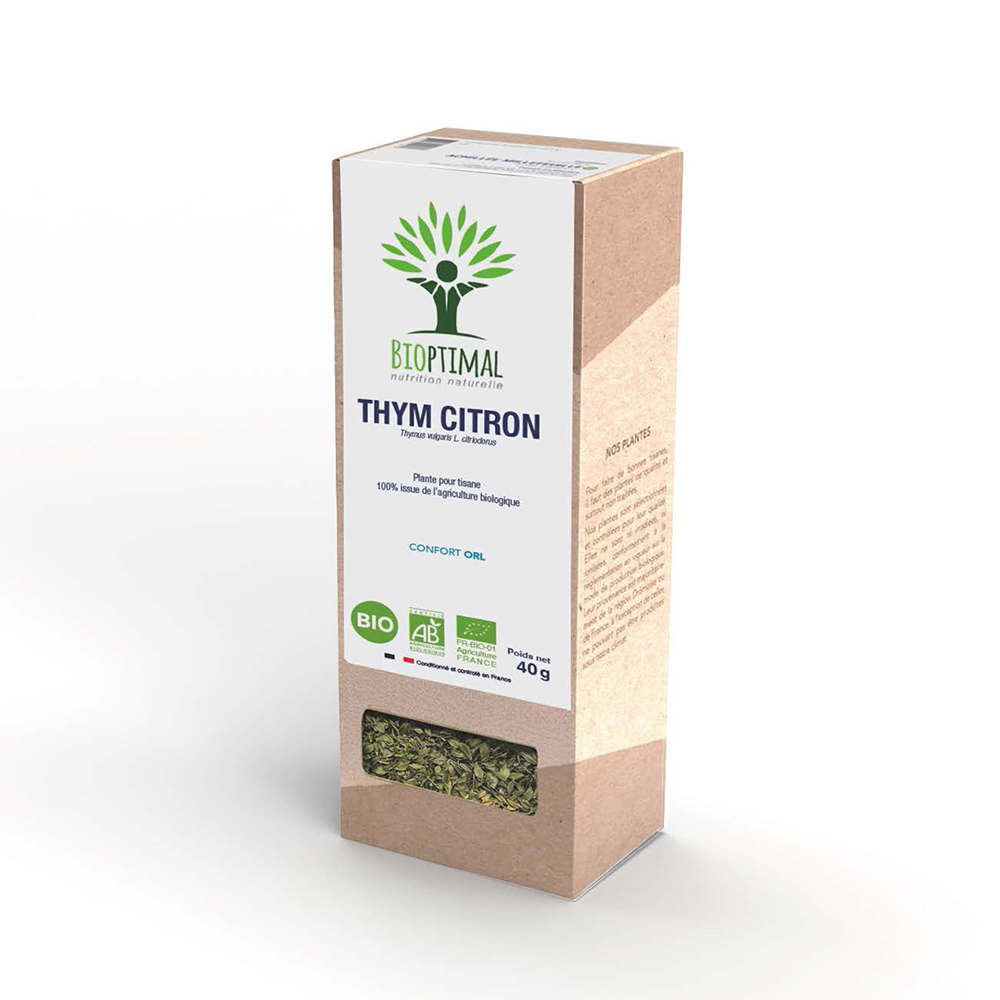

Organic Lemon Thyme Tea: French Respiratory Support Herbal Infusion
Organic Lemon Thyme Tea: Natural Respiratory Comfort & Immune Support
This certified organic lemon thyme delivers a refreshing citrus-herbal infusion with gentle warming properties. The delicate lemon-scented leaves, grown in France's Loire Valley, offer a naturally aromatic experience that soothes throat irritation while supporting respiratory wellness.
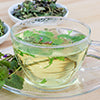
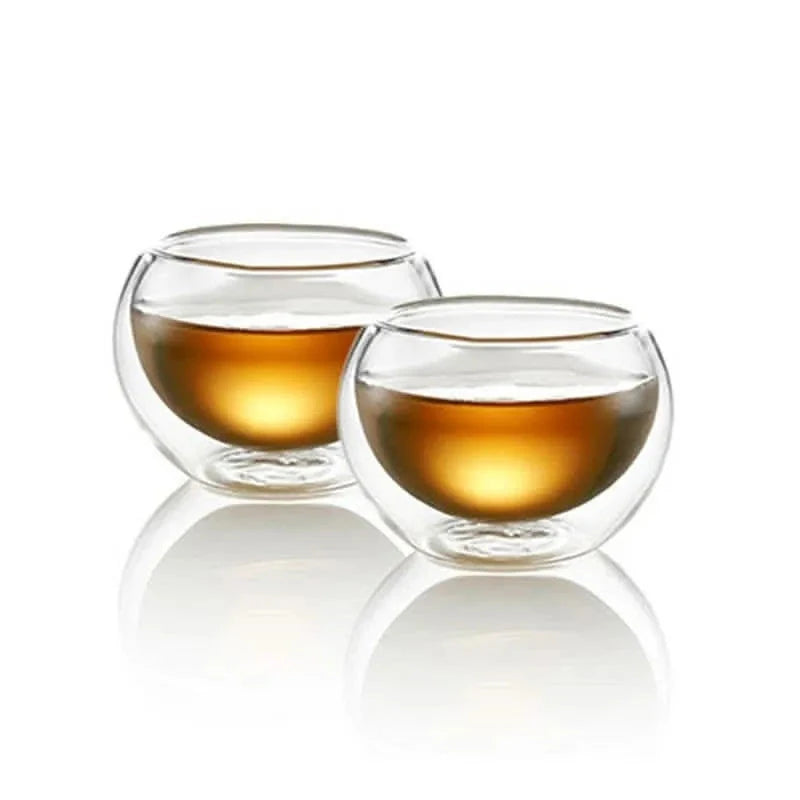
A natural hybrid of woolly thyme and garden thyme, lemon thyme combines traditional thyme's earthy robustness with bright citrus notes. When steeped, the leaves release their essential oils, creating a golden-hued infusion with a subtle lemony aroma that evokes sun-drenched Mediterranean hillsides.
The herb's anti-infectious properties help strengthen natural defenses during seasonal changes, making it particularly valuable as a comforting daily ritual. Each cup delivers caffeine-free refreshment that can be enjoyed hot for soothing warmth or chilled for a cooling summer beverage.
This versatile botanical serves both wellness and culinary purposes steep it as a therapeutic infusion or incorporate it into fish dishes, roasted vegetables, and savory preparations for aromatic complexity.
Cultivated in France using organic farming methods
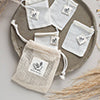
Packaged in eco-friendly kraft cardboard pouches without plastic, reflecting a commitment to sustainable practices and purity.

Guarantee Safe Checkout
Brewing Instructions: Optimal Temperature & Steeping Time
For the most beneficial infusion, use 1 teaspoon (1-2 grams) of dried lemon thyme leaves per cup. Heat water to 95°C (203°F) just below boiling to preserve the delicate citrus aromatics while extracting the herb's therapeutic compounds. Pour the heated water over the leaves and steep for 7-10 minutes, covering the cup to prevent essential oil evaporation.
Strain the infusion and enjoy while warm for maximum respiratory benefits. The tea can also be prepared in larger batches and refrigerated for a refreshing cold beverage during warmer months, though hot consumption is recommended for respiratory support.
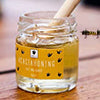
Enhancement Suggestions: Add raw honey after steeping to complement the citrus notes while adding its own soothing properties. A slice of fresh lemon enhances the natural citrus character and provides additional vitamin C.
For enhanced respiratory support, create a winter wellness blend by combining lemon thyme with eucalyptus and rosemary in equal parts. Alternatively, mix with hibiscus flowers for a tart, colorful summer tisane. The herb pairs well with mint, lavender, or chamomile for varied flavor profiles.
Culinary Applications: Beyond infusions, dried lemon thyme enhances fish preparations, roasted vegetables, salads, and savory tarts. Add near the end of cooking to preserve the delicate citrus aromatics, or sprinkle over finished dishes for fresh herbal complexity.
Store in an airtight container away from direct light and heat to maintain essential oil potency. Properly stored, the dried leaves retain their aromatic qualities for up to one year, though fresher herbs deliver more pronounced citrus character.
Pure French Ingredient: Certified Organic Lemon Thyme Leaves
This infusion contains 100% organic lemon thyme leaves (Thymus x citriodorus), a natural botanical hybrid that marries the therapeutic properties of traditional thyme with refreshing citrus character.
Botanical Origins: Lemon thyme represents a natural crossbreeding between woolly thyme (Thymus pulegioides) and garden thyme (Thymus vulgaris). This spontaneous hybridization occurred over centuries in Mediterranean regions, resulting in a distinctive herb with pale green leaves that emit a pronounced lemon fragrance when gently crushed.
The leaves contain volatile compounds including thymol, carvacrol, and citrus-scented terpenes that give this variety its characteristic aroma. The essential oil composition creates both the herb's therapeutic respiratory benefits and its appealing sensory profile.
French Cultivation: Sourced exclusively from the Loire Valley region of France, where the temperate climate and well-drained soils create ideal growing conditions for aromatic herbs. The plants are cultivated following strict organic agriculture protocols, with no synthetic pesticides or chemical fertilizers.
Certified organic under European Union Agriculture Biologique standards, ensuring complete traceability from cultivation through packaging. The French origin guarantees quality control throughout the entire production process, maintaining the integrity of the herb's natural properties.
Respiratory Support & Natural Immune Defense
Lemon thyme has been valued in Mediterranean herbal traditions for centuries, primarily for its ability to support respiratory comfort and soothe minor throat irritation. The herb's therapeutic properties make it particularly beneficial during seasonal transitions when respiratory challenges are more common.
Respiratory System Support: The infusion delivers natural compounds that help ease throat discomfort and support upper respiratory function. The warming properties of thymol and carvacrol work synergistically with the herb's essential oils to provide gentle relief for irritated airways. Many find this soothing herbal tea particularly comforting when experiencing seasonal respiratory discomfort.
The anti-infectious properties help fortify the body's natural defense mechanisms. Regular consumption may contribute to maintaining respiratory wellness, especially during colder months when immune support becomes more important.
Caffeine-Free Wellness: As a naturally caffeine-free infusion, lemon thyme tea can be enjoyed any time of day without affecting sleep patterns. The gentle citrus notes provide refreshment without added sugars or artificial ingredients, making it suitable for those seeking clean, plant-based beverage options.
The herb's traditional use in French herbal medicine extends to digestive wellness and general vitality support. The aromatic compounds may help promote a sense of calm while the citrus character offers an uplifting sensory experience.
Rich in Natural Compounds: Lemon thyme contains beneficial plant compounds including flavonoids and phenolic acids that contribute to its antioxidant properties. These naturally occurring substances work alongside the essential oils to support overall wellness when incorporated into a balanced lifestyle.
Mediterranean Heritage: French Herbal Tradition & Provençal Wisdom
Thyme has occupied a central place in Mediterranean cultures since ancient times, valued by Greek, Roman, and Middle Eastern civilizations for both culinary enhancement and therapeutic applications. The herb grew wild across sun-baked hillsides from Spain to Syria, becoming deeply embedded in regional healing traditions.
In French herbal medicine, thyme holds particular significance as a household remedy passed down through generations. Provençal herbalists recognized the plant's warming properties and incorporated it into seasonal wellness practices, particularly for winter ailments affecting the respiratory system. The citrus-scented variety gained appreciation for adding a lighter dimension to traditional thyme's robust character.
Lemon thyme itself represents a natural botanical evolution that occurred spontaneously in Mediterranean regions, where different thyme species grew in close proximity. This natural hybridization created a plant that combined the therapeutic strength of garden thyme with the refreshing aromatics of its woolly thyme parent, producing a variety that French herbalists particularly valued.
Traditional French Usage: In rural France, families would harvest wild thyme from the countryside during summer months, drying bundles for winter use when respiratory support became essential. The herb featured prominently in grandmother's remedies (remèdes de grand-mère), often combined with honey and lemon for soothing winter tisanes.
The Loire Valley, where this lemon thyme is cultivated, has a long history of medicinal plant cultivation dating back to medieval monastery gardens. French monks documented the therapeutic uses of aromatic herbs, creating a foundation of botanical knowledge that continues to influence modern French phytotherapy practices. Today, thyme remains one of the most commonly recommended herbs by French herbalists for respiratory wellness.