



Organic Rosemary Tea: Mediterranean Herbal Infusion for Digestion
Organic Rosemary Tea: Mediterranean Herbal Infusion for Digestion & Vitality
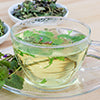
This aromatic rosemary tea delivers a distinctively herbaceous flavor with resinous pine notes and subtle camphor undertones that awaken the senses. The silvery-green needles release their concentrated essential oils into a golden-amber infusion that carries the essence of sun-drenched Mediterranean hillsides.
Each cup offers the full therapeutic power of pure rosemary leaves, carefully harvested at peak potency to preserve their natural volatile compounds and antioxidant-rich polyphenols.
The infusion's slightly bitter, refreshing taste mingles with warm, woody aromatics and a gentle astringency that leaves a clean, invigorating finish on the palate. This traditional herbal preparation has supported digestive wellness and natural vitality for generations.
Perfect for sipping after meals to support comfortable digestion, or throughout the day when you need a revitalizing herbal boost that stimulates both body and mind.
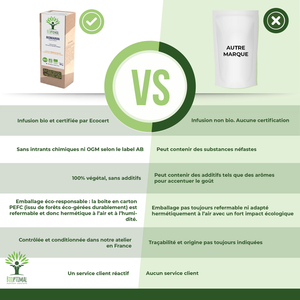
Handcrafted in France with Zero Additives
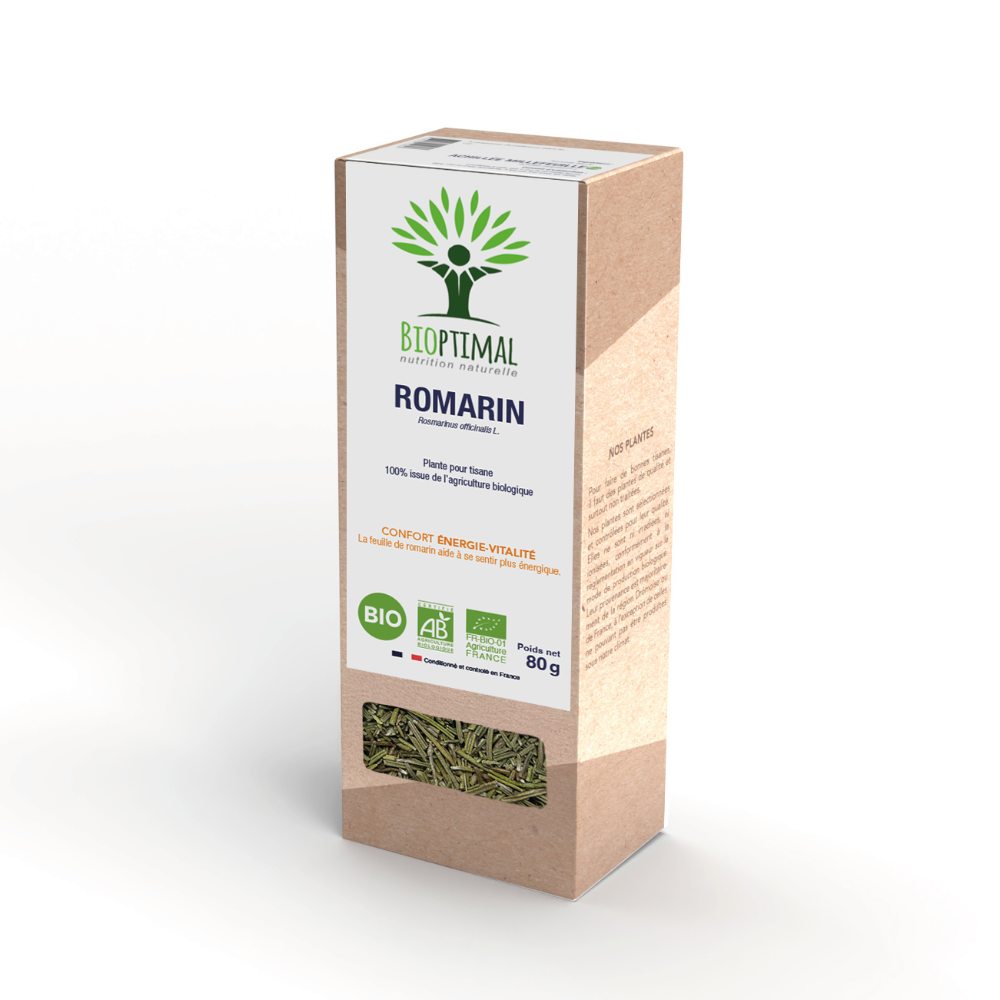
Pure organic rosemary leaves, carefully packaged in eco-friendly materials that honor both quality and environmental responsibility.

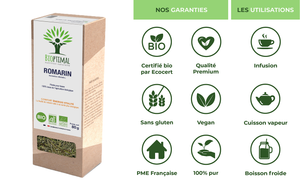
Guarantee Safe Checkout
How to Brew: Traditional Infusion Method for Maximum Flavor
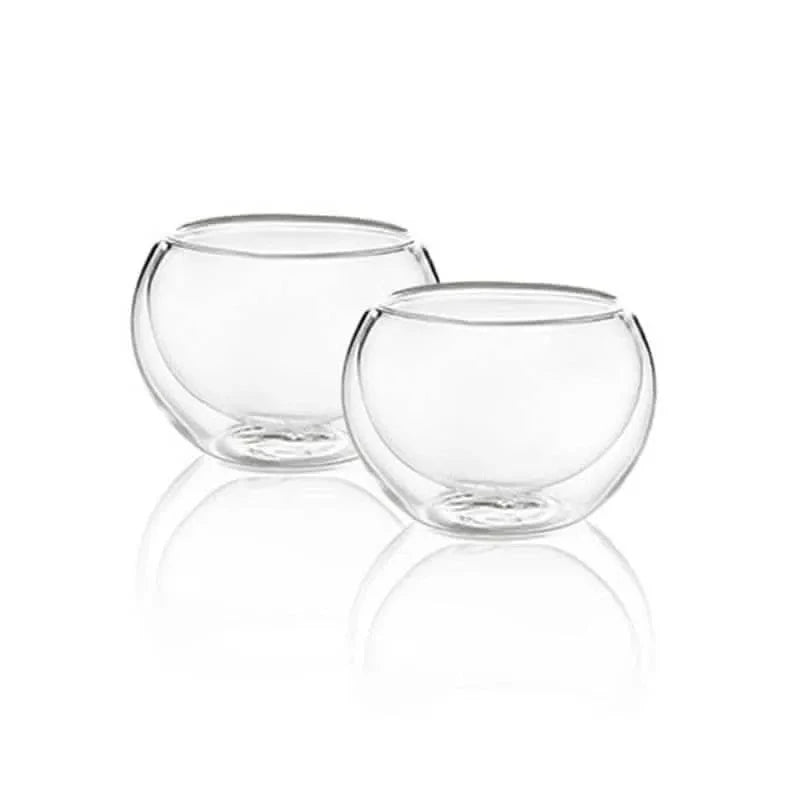
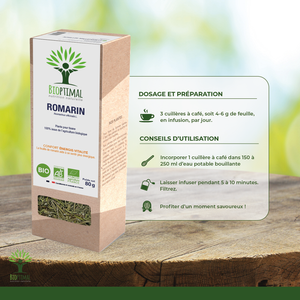
Add 3 teaspoons (4-6 grams) of dried rosemary leaves to a glass or porcelain vessel. Pour 150-250 ml of freshly boiled water over the leaves, maintaining a water temperature around 80°C (176°F) for optimal extraction of beneficial compounds without bitterness.
Cover the vessel immediately to trap the volatile essential oils that give rosemary its therapeutic properties and distinctive aroma. Stir occasionally during steeping.
Allow the infusion to steep for 5-10 minutes, adjusting time based on desired strength. Longer steeping produces a more robust, slightly bitter flavor with higher concentration of medicinal compounds.
Strain the infusion through a fine-mesh sieve to remove all leaf particles. The resulting golden-amber tea can be enjoyed hot or allowed to cool for a refreshing cold infusion.
Serving suggestions: Drink 1-3 cups daily, ideally after meals to support digestion. The tea can be sweetened with honey if desired, though many prefer its natural herbaceous character. Adding a squeeze of fresh lemon enhances both flavor and digestive benefits.
For a soothing evening ritual, pair rosemary tea with chamomile or lemon balm. Store unused dried leaves in an airtight container away from light and moisture to preserve their aromatic oils and therapeutic potency.
Pure Organic Ingredient: Hand-Selected Rosemary Leaves
This infusion contains 100% pure organic rosemary leaves (Rosmarinus officinalis) sourced from certified organic farms in France, where Mediterranean climate and traditional cultivation methods produce herbs of exceptional quality and potency.
The slender, needle-like leaves display a distinctive silvery-green color with a slightly fuzzy texture, releasing their characteristic piney, camphoraceous aroma when crushed. Each leaf contains concentrated essential oils, including rosmarinic acid, carnosol, and carnosic acid powerful compounds that give rosemary its therapeutic properties.
Rosemary thrives in the sun-soaked, rocky terrain of southern France, where hot, dry summers concentrate the plant's aromatic oils and beneficial polyphenols to their highest levels. The leaves are harvested by hand during the plant's flowering period, when their medicinal compounds reach peak concentration.
Certified organic cultivation ensures the rosemary is grown without synthetic pesticides or fertilizers, preserving both its purity and its full spectrum of natural healing properties. The leaves are carefully dried and packaged to maintain their potent essential oil content and vibrant color.
Digestive Support & Natural Energy Enhancement
Rosemary tea offers comprehensive support for digestive wellness and natural vitality through its rich concentration of bioactive compounds.
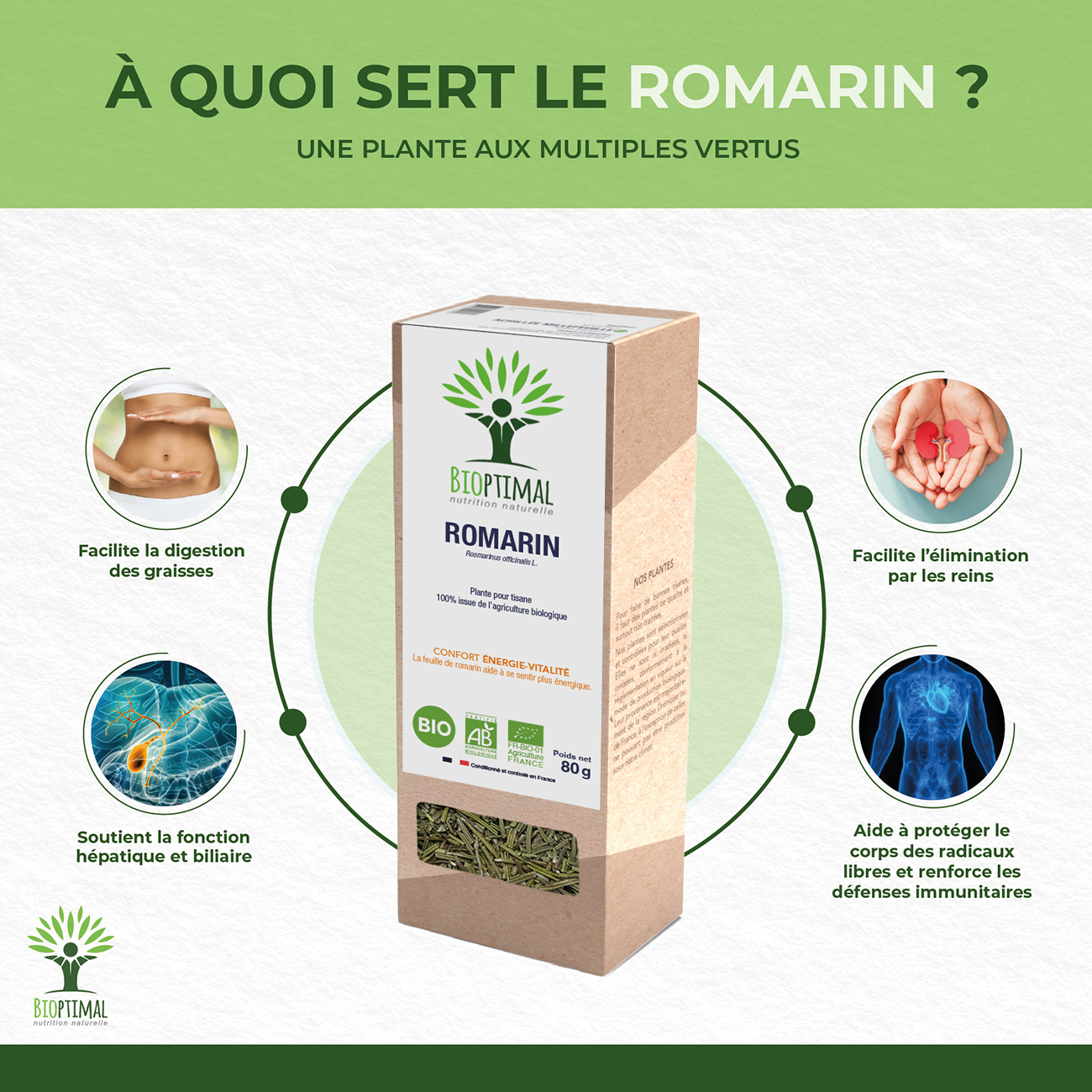
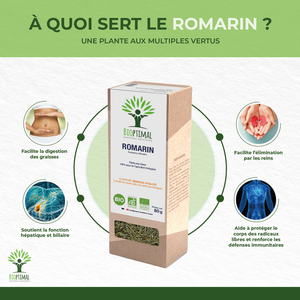
The herb stimulates production of digestive fluids, including bile and gastric juices, which helps break down fats and proteins more efficiently. This makes rosemary particularly valuable after rich or heavy meals, where it eases digestive discomfort and reduces bloating.
Liver and kidney support: Rosemary enhances hepatic function by promoting bile secretion and supporting the liver's natural detoxification processes. It also facilitates kidney elimination, helping the body clear metabolic waste more effectively.
The infusion's abundant polyphenols plant compounds with powerful antioxidant properties help protect cells from oxidative damage caused by free radicals. Regular consumption supports the body's natural defense mechanisms and helps maintain cellular health throughout the body.
Energy and vitality: Many people find rosemary tea naturally energizing without the jittery effects of caffeine. The herb helps combat physical and mental fatigue, promoting a sense of renewed vigor and mental clarity.
The rosmarinic acid in rosemary leaves delivers anti-inflammatory benefits that support overall wellness, while its carnosic acid content has been studied for its neuroprotective properties that may support cognitive function and memory.
For enhanced therapeutic effects, rosemary pairs beautifully with dandelion root, creating a powerful combination for digestive and liver support.
Ancient Mediterranean Wisdom & Folklore
Rosemary holds a revered place in Mediterranean herbal traditions stretching back thousands of years, where it has been treasured as both medicine and symbol across ancient Greek, Roman, and Arabic cultures.
The ancient Greeks believed rosemary strengthened memory and mental clarity, with students wearing rosemary garlands while studying for examinations. Roman physicians prescribed rosemary infusions for digestive complaints and to purify the blood, while medieval healers considered it essential for liver disorders and melancholic conditions.
One remarkable legend tells of Elizabeth of Poland, who reportedly recovered from severe arthritis and paralysis through regular use of rosemary preparations. At age 72, her restored vitality enabled her to win the heart of the King of Hungary a story that transformed rosemary into the famous "Hungary Water," Europe's first alcoholic perfume.
Throughout European history, rosemary carried symbolic meanings of remembrance, fidelity, and protection. Wedding ceremonies featured rosemary sprigs for the bride and groom, while sprigs were laid on graves to honor the deceased. The herb's evergreen nature made it an emblem of enduring memory and eternal friendship.
French herbalists have long valued locally-grown rosemary, using it in traditional tisanes for digestive wellness and as a tonic for overall vitality. The practice of gathering wild rosemary from Mediterranean hillsides remains a cherished tradition in southern France, where the herb grows abundantly on limestone cliffs above the sea.