
Organic Centaury Tea: Bitter Digestive Tonic Herb
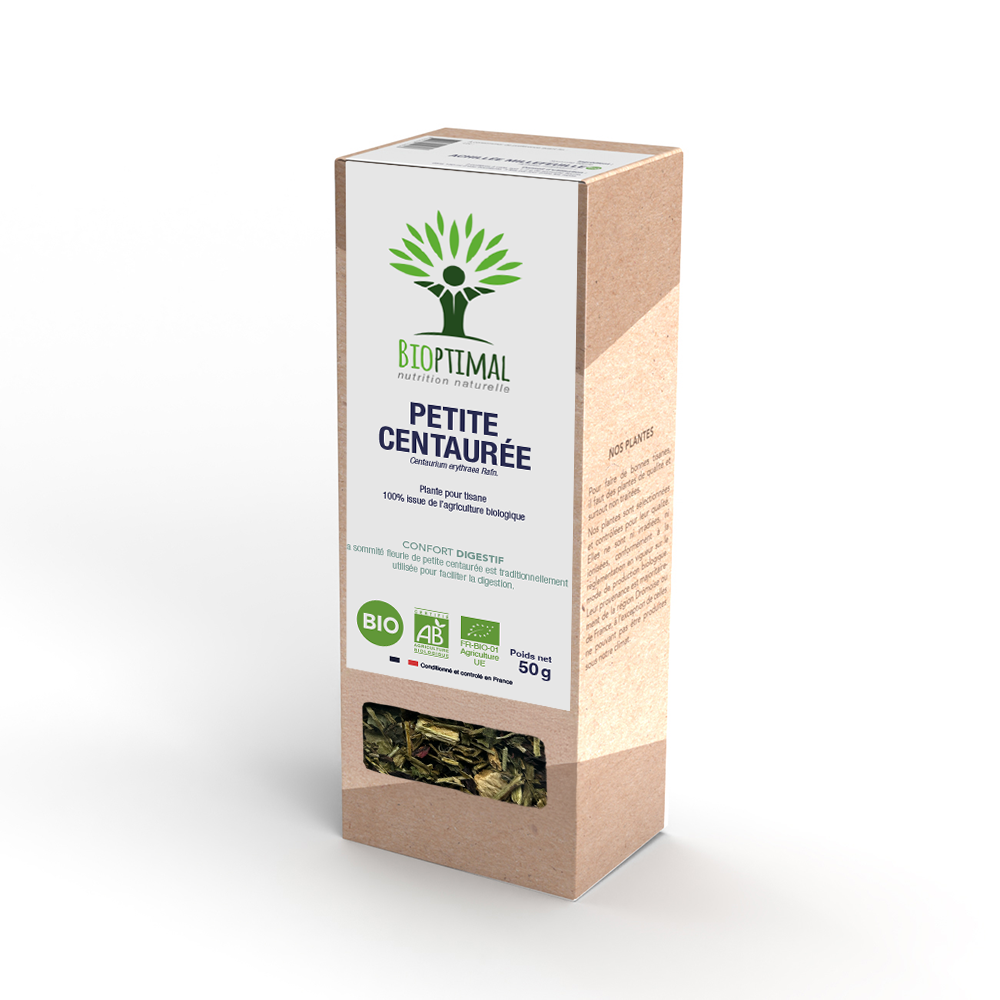
Organic Small Centaury Tea: Traditional Bitter Digestive Support
These delicate pink flowering tops deliver an intensely bitter, earthy flavor with sharp herbal notes that awaken the digestive system from the first sip.
Harvested from wild Centaurium erythraea plants growing in pristine European meadows, each flowering top is gathered at peak bloom when its concentration of bitter compounds reaches maximum potency. The dried flowers retain their characteristic rosy-pink hue and release a distinctly herbaceous, slightly medicinal aroma.
The pale golden infusion has a profoundly bitter taste that stimulates saliva production and awakens digestive function a quality prized in traditional European herbalism for supporting sluggish digestion and reviving lost appetite. This pronounced bitterness signals the body to prepare for digestion.
Traditionally enjoyed as an apéritif 10-15 minutes before meals, this time-honored digestive tonic helps ease stomach heaviness, occasional bloating, and that uncomfortable feeling of fullness after eating.
Certified Organic & Packaged in France
100% pure flowering tops with no additives or preservatives. Vegan and gluten-free.

Guarantee Safe Checkout
Brewing Instructions: Maximizing Digestive Benefits
Traditional Bitter Tonic Preparation:
Measure 2-3 teaspoons (1-4 grams) of dried flowering tops per cup. Pour freshly boiled water directly over the herb.
Steep for 5-10 minutes to allow the bitter compounds to fully extract. The longer you steep, the more intensely bitter the infusion becomes adjust steeping time based on your tolerance for bitterness.
Strain thoroughly. The resulting pale golden liquid will have a distinctly sharp, bitter taste that may be surprising on first encounter but becomes more familiar with regular use.
Optimal Timing for Digestive Support:
Drink 10-15 minutes before meals to stimulate digestive juice production and prepare your stomach for food. This traditional apéritif timing maximizes the herb's appetite-enhancing and digestive-stimulating effects.
Consume up to 3 cups daily typically before your main meals for comprehensive digestive support throughout the day.
Balancing the Bitterness:
While the bitter taste is central to centaury's therapeutic action, you can add a small amount of raw honey after brewing to soften the intensity while maintaining digestive benefits. Some prefer adding a few fresh mint leaves or a slice of lemon.
Importantly, allow the bitter liquid to linger briefly in your mouth before swallowing this contact with taste receptors is what triggers the beneficial digestive reflexes.
Suggested Usage Cycles:
Use consistently for 2-3 week periods as a seasonal digestive tonic, particularly after periods of dietary indulgence or when experiencing digestive sluggishness. Take a break of 1-2 weeks between cycles.
Storage: Keep dried flowering tops in an airtight container away from moisture and direct sunlight. Properly stored centaury maintains its bitter potency for 12-18 months.
Pure Single Ingredient: Wild-Harvested Flowering Tops
This infusion contains 100% organic small centaury flowering tops (Centaurium erythraea) the aerial parts of the plant gathered during its vibrant flowering period when bitter glycosides concentrate in the delicate blossoms.
The small, star-shaped pink flowers grow in clusters atop slender stems, creating a striking appearance both in meadows and in dried form. Each flowering top is carefully hand-harvested from wild populations thriving in unpolluted European grasslands.
After gentle drying, the flowering tops maintain their soft pink to rose coloration and characteristic intensely bitter taste. The bitterness comes from compounds called secoiridoid glycosides, particularly gentiopicrin and sweroside, which trigger powerful digestive reflexes.
These bitter principles work by stimulating taste receptors on the tongue, which in turn activate the production of saliva, gastric juices, and bile the essential fluids needed for efficient digestion and nutrient absorption.
Certified organic. Free from pesticides, additives, and genetic modification. Suitable for vegetarians, vegans, and those following gluten-free diets.
Digestive Stimulation & Liver Support
Organic centaury tea functions as a powerful digestive tonic through its intensely bitter compounds, which stimulate the entire digestive cascade from mouth to intestines.
The moment the bitter liquid touches your tongue, it triggers a reflexive increase in saliva production and gastric juice secretion, preparing your stomach to efficiently break down food. This natural stimulation helps address sluggish digestion, weak appetite, and that heavy feeling after meals.
Digestive and metabolic benefits include:
- Stimulates appetite and digestive juice production before meals
- Relieves stomach heaviness and uncomfortable fullness
- Eases occasional digestive cramps and bloating
- Supports healthy bile flow for fat digestion
- Provides gentle liver support and detoxification
The plant's hepatoprotective properties support liver function and bile production, which are essential for breaking down fats and eliminating metabolic waste. Many herbalists recommend centaury during gentle cleansing protocols.
Beyond digestive benefits, small centaury serves as a vitality tonic traditionally used during convalescence or recovery periods. The bitter stimulation helps restore appetite in those who've lost interest in food due to illness or fatigue.
The gentle yet profound action makes centaury particularly valuable for those with weak digestive fire individuals who feel tired after eating, experience slow digestion, or struggle with poor nutrient absorption despite eating well.
Cultural Heritage: Ancient Healing & European Folk Tradition
Small centaury carries a name steeped in classical mythology it honors Chiron, the wise centaur of Greek legend who was renowned as the greatest healer of his age and teacher of medicine to heroes and gods.
According to ancient lore, Chiron discovered centaury's healing properties when he used the plant to cure a poisoned wound, establishing its reputation as a powerful medicinal herb that has endured for over two millennia.
Throughout medieval and Renaissance Europe, centaury was a cornerstone remedy in monastery herb gardens and village apothecaries. Herbalists prescribed it for "weak stomachs," liver complaints, and loss of appetite, believing its intense bitterness could clear "cold humors" and rekindle digestive fire.
The plant featured prominently in traditional Swiss and German herbal bitters digestive liqueurs consumed before meals to stimulate appetite and after meals to aid digestion. These time-honored formulations often combined centaury with gentian, wormwood, and other bitter herbs.
In French and British folk medicine, centaury infusions were given to convalescents and travelers as a fortifying tonic to restore strength and appetite after illness or long journeys. The plant's ability to revive flagging energy earned it a reputation as a general restorative.
Medieval herbalists attributed protective qualities to centaury, believing it could purify both body and spirit while warding off negative influences a testament to the plant's esteemed place in healing traditions.