




Raspberry Leaf: Vitamin-Rich European Herbal Comfort
Raspberry Leaf Tea: Organic Digestive Comfort Herbal Infusion
Raspberry leaf tea unfolds with a gentle, herbaceous character soft green notes reminiscent of fresh garden herbs, kissed by the lightest whisper of berry sweetness. This mild, soothing infusion invites calm with each warm sip.
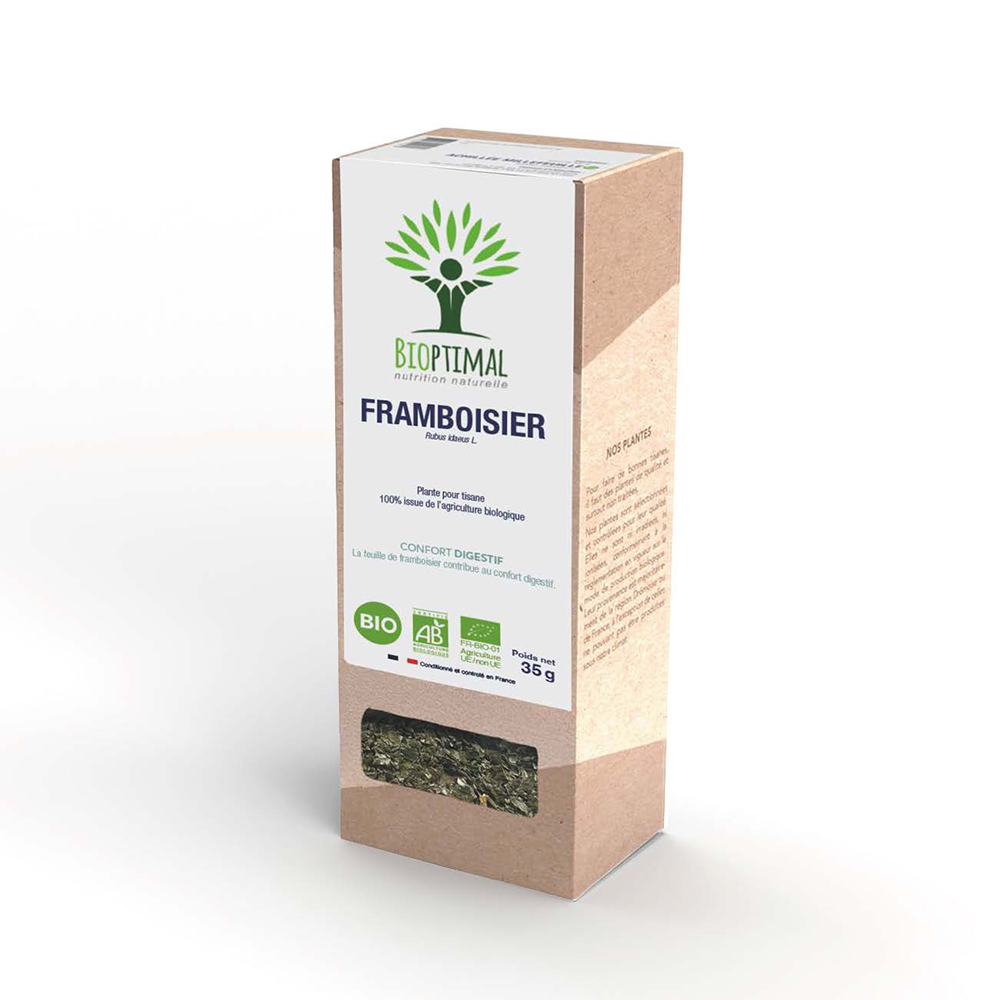
Crafted from 100% organic raspberry leaves (Rubus idaeus) sourced from the fertile soils of Poland and Albania, every leaf is carefully selected at peak vitality to preserve its natural tannins, vitamins, and mineral content.
The tea's light body and delicate flavor make it a versatile companion enjoyable hot for cozy comfort or chilled for refreshing hydration. Its naturally caffeine-free composition welcomes daily enjoyment without overstimulation.
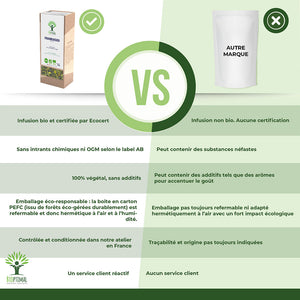
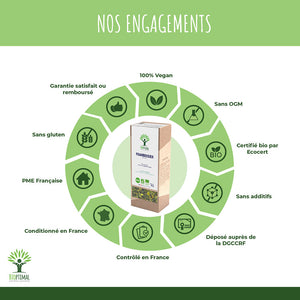
This single-ingredient infusion embodies purity: vegan, gluten-free, and free from additives, preservatives, or artificial enhancements. Simply pure raspberry leaves, thoughtfully prepared for your wellness journey.
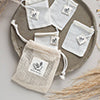
All ingredients are meticulously selected and packed in eco-friendly kraft cardboard pouches
reflecting a commitment to both purity and environmental care.


Guarantee Safe Checkout
How to Brew: Perfect Steeping for Maximum Flavor & Benefits
Creating the ideal cup of raspberry leaf tea begins with quality water and mindful timing.
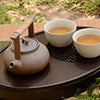
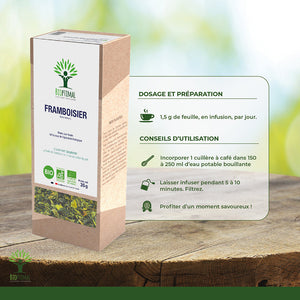
Basic preparation: Measure 1.5 grams (approximately 1-2 teaspoons) of dried raspberry leaves into a cup or teapot. Pour freshly boiled water (95-100°C / 203-212°F) over the leaves and allow them to steep for 5-10 minutes, depending on your desired strength. The longer steeping time releases more tannins and minerals, creating a deeper, more robust infusion.
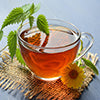
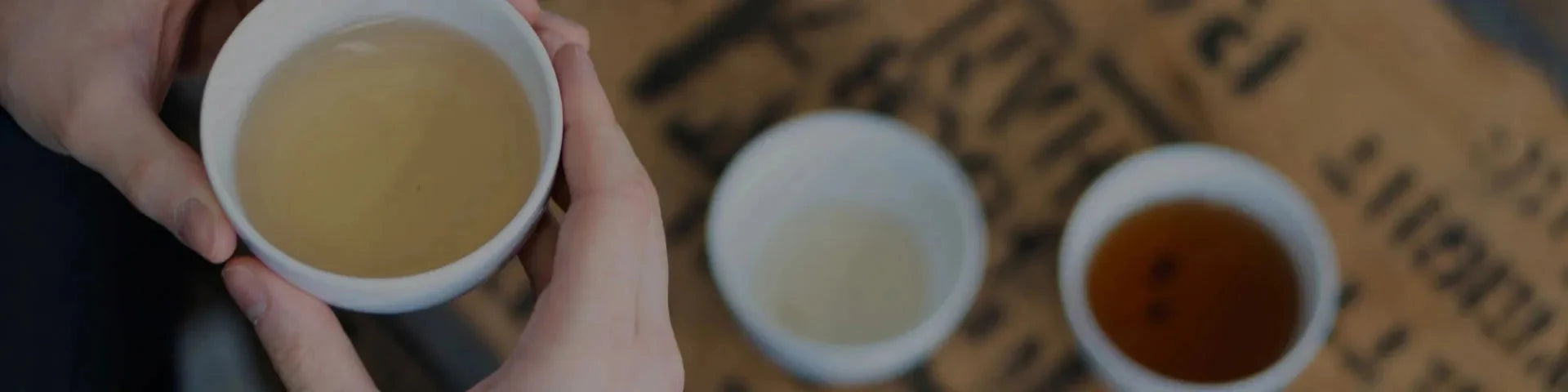
For a gentler brew, steep for 5 minutes this produces a light, delicate tea with subtle herbaceous notes and pale golden color. For a fuller-bodied infusion with enhanced digestive properties, extend steeping to 10 minutes, which deepens the amber hue and intensifies the mild astringency.
Serving variations:
- Hot infusion: Enjoy as prepared, optionally sweetened with honey or paired with a slice of lemon for brightness
- Iced tea: Brew double-strength, cool, then pour over ice with fresh mint leaves for a refreshing summer drink
- Herbal blend: Combine with nettle, peppermint, or lemon balm for complementary flavors and enhanced wellness benefits
The tea can be consumed 1-3 times daily, either between meals for digestive support or as an evening ritual for gentle relaxation. Store unused leaves in a cool, dry place away from direct sunlight to preserve their delicate aroma and potency.
Important note: Not recommended for individuals with iodine allergies.
Pure Organic Ingredient: Hand-Selected Raspberry Leaves
This infusion contains one pure ingredient: organic raspberry leaves (Rubus idaeus), harvested from certified organic farms in Poland and Albania where traditional cultivation methods honor the plant's natural growing cycle.
The leaves themselves present as tender, serrated green foliage with a subtly fuzzy texture each leaf carefully dried to preserve its delicate structure and aromatic compounds. Their herbaceous scent carries faint fruity undertones, a gentle echo of the raspberry fruit's sweetness.
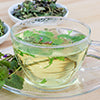
Rich in naturally occurring tannins that lend the tea its mild astringency, these leaves also contain vitamins C and E, alongside minerals including calcium, magnesium, and iron. The pale green-amber liquor that results from steeping reveals the leaf's gentle potency.
Certified organic, this ingredient is grown without pesticides, herbicides, or synthetic fertilizers ensuring every cup delivers pure plant nourishment. Vegan and gluten-free, it welcomes all dietary preferences.
Digestive Comfort & Women's Wellness Support
Raspberry leaf tea offers a gentle pathway to digestive ease and overall wellness.
The naturally occurring tannins in raspberry leaves provide mild astringent properties that help soothe the digestive tract, reducing occasional bloating and discomfort. Many find this warm infusion calming to the stomach, particularly after meals or during periods of digestive sensitivity.
Key wellness benefits include:
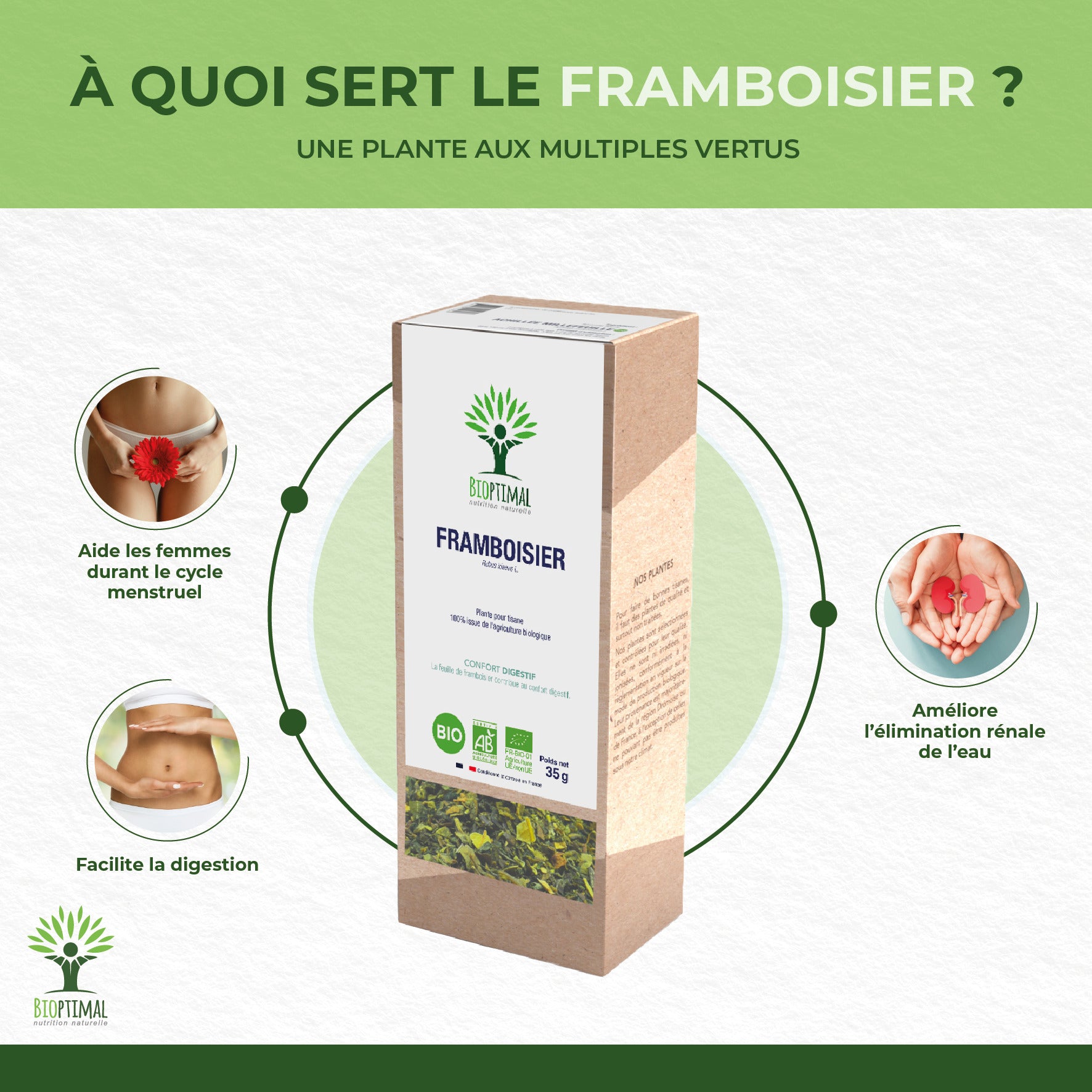
- Supports digestive comfort and reduces bloating
- Enhances renal elimination and natural hydration
- Traditionally valued for women's wellness during menstrual cycles
- Caffeine-free for gentle, anytime consumption
- Rich in vitamins and minerals that support daily nutrition
Women across generations have turned to raspberry leaf tea for its traditional role in supporting reproductive wellness. The infusion's gentle tonifying properties are particularly appreciated during menstruation, though consultation with a healthcare provider is always recommended during pregnancy.
The tea's mineral content including calcium and magnesium supports bone health and muscle function, while vitamin C contributes to immune defense. Its mild diuretic action aids natural elimination, making it a supportive choice for those seeking gentle detoxification.
Perfect for daily wellness rituals or as needed support.
Cultural Heritage: European Herbal Wisdom & Family Tradition
Raspberry leaf tea carries centuries of European herbal wisdom, woven deeply into the fabric of traditional family remedies and folk medicine across the continent.
In Western herbalism, raspberry leaves have been treasured since medieval times for their gentle yet effective properties. Herbalists documented their use as early as the 16th century, recommending infusions for digestive comfort and to support women's health throughout various life stages.
Across rural European communities, raspberry leaf tea became a household staple mothers and grandmothers passing down knowledge of its soothing qualities from one generation to the next. In many families, the preparation of raspberry leaf infusions marked important life transitions, particularly around childbirth preparation, where the tea's tonifying properties were especially valued.
The tradition extended beyond medicinal use: in some cultures, raspberry leaves symbolized protection and maternal care. Gardens would carefully cultivate raspberry canes not only for their fruit but for the precious leaves that would sustain family health through the seasons.
Today, this ancient wisdom continues to resonate with modern wellness seekers who appreciate the gentle, time-tested approach to natural health that raspberry leaf tea represents a bridge between ancestral knowledge and contemporary self-care.